 Billy's Colloidal Silver + Starfire Gold duo —
For generations, we’ve looked up at the night sky and asked the same question:
Are we alone?
While science fiction has imagined countless alien worlds, modern astronomy is finally giving us something much more exciting than speculation — evidence. Among the thousands of planets discovered beyond our solar system, one distant world has emerged as one of the most promising places to search for life.
Its name is K2-18b, and it sits approximately 120 light-years from Earth in the constellation Leo.
Scientists aren't claiming they've found aliens. But they are finding clues that suggest this distant world may possess some of the ingredients necessary for life.
And that's a big deal.
Why Scientists Are So Interested in K2-18b
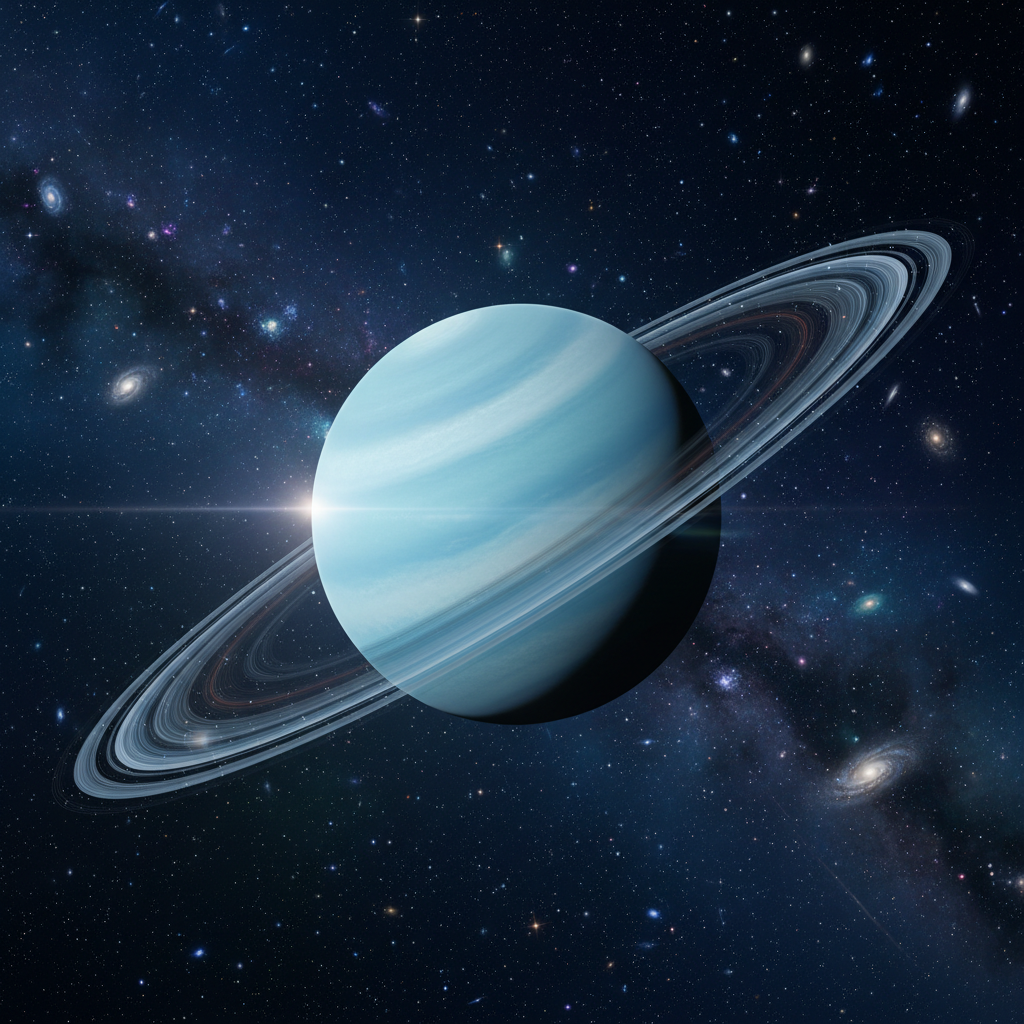
K2-18b is classified as an exoplanet, meaning it's a planet that orbits a star outside our solar system.
What makes it different from thousands of other exoplanets?
→ It exists within its star's "habitable zone."
→ Temperatures may allow liquid water to exist.
→ It appears to have a hydrogen-rich atmosphere.
→ Researchers have detected molecules associated with life-friendly environments.
The habitable zone is often called the "Goldilocks Zone" because conditions may be neither too hot nor too cold for liquid water.
Since water is considered one of the fundamental requirements for life as we know it, planets in these zones receive special attention from astronomers.
The James Webb Space Telescope Changed Everything
In recent years, the powerful James Webb Space Telescope has given researchers their most detailed look yet at distant worlds.
Using advanced infrared instruments, scientists can analyze starlight passing through a planet's atmosphere.
Think of it like a cosmic fingerprint.
Different gases absorb different wavelengths of light, allowing astronomers to determine what chemicals may be present.
When researchers studied K2-18b, they detected evidence of:
→ Methane
→ Carbon dioxide
→ Hydrogen
These findings were published by teams led by astronomer Nikku Madhusudhan and colleagues at the University of Cambridge.
According to their research, K2-18b may belong to a new category of planet known as a "Hycean World" — a planet with a hydrogen-rich atmosphere and potentially vast oceans beneath it.
What Is a Hycean World?
The Hycean concept was introduced by scientists searching for worlds that could support life in ways different from Earth.
The name combines:
→ Hydrogen
→ Ocean
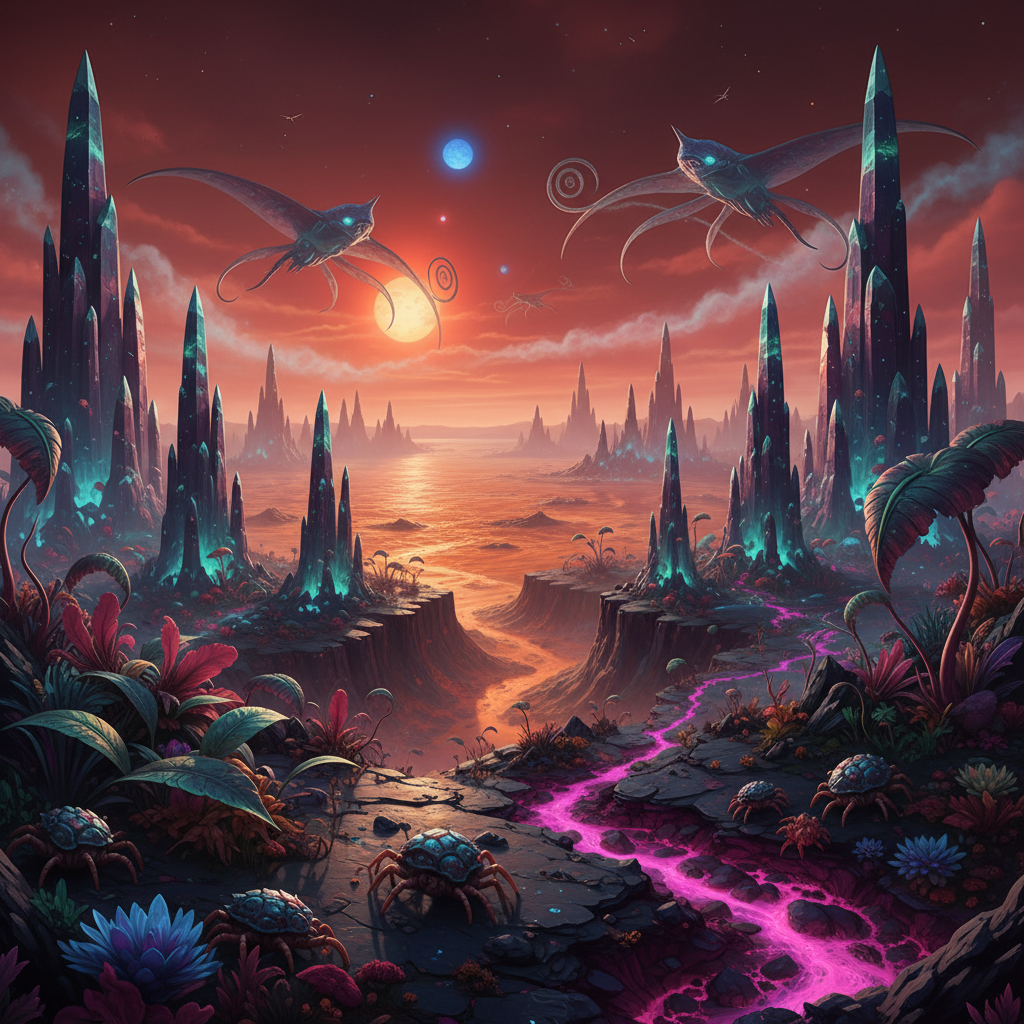
A Hycean planet could possess enormous oceans covered by a thick hydrogen atmosphere.
While these environments would be vastly different from Earth, researchers believe microbial life could potentially survive there.
That possibility dramatically expands where scientists think life might exist in the universe.
Instead of only searching for Earth-like planets, astronomers can now investigate a much broader range of worlds.
The Molecule That Made Headlines
One reason K2-18b generated global attention was the possible detection of a molecule called:
Dimethyl Sulfide (DMS)
On Earth, DMS is primarily produced by living organisms, particularly marine phytoplankton.
Because of this connection to biological activity, scientists consider DMS a potential "biosignature" — a chemical that might indicate life.
However, researchers have been extremely cautious.
Nikku Madhusudhan emphasized that the findings are not proof of life.
Instead, they represent an intriguing signal that requires further observation and verification.
Science advances through evidence, replication, and skepticism. Extraordinary claims require extraordinary evidence.
Why Scientists Remain Careful
If you've seen headlines saying scientists found alien life, slow down.
That's not what the research shows.
Astronomers still don't know:
→ Whether K2-18b actually has an ocean
→ Whether DMS is truly present
→ Whether the planet is habitable
→ Whether any detected molecules have biological origins
As renowned astronomer Carl Sagan famously stated:
"Extraordinary claims require extraordinary evidence."
That principle continues to guide modern exoplanet research.
Scientists are excited, but they're also cautious.
Why This Discovery Matters Anyway
Even if K2-18b turns out to be lifeless, the discovery remains groundbreaking.
For the first time in human history, we possess technology capable of studying the atmospheres of distant planets in remarkable detail.
Just a few decades ago, we didn't know whether planets existed around other stars.
Today, we can analyze their chemistry.
Tomorrow, we may identify convincing signs of life.
The search itself is transforming our understanding of the universe.
What Happens Next?
Researchers will continue using the James Webb Space Telescope and future observatories to gather more data.
Scientists hope to:
→ Confirm the atmospheric composition
→ Search for additional biosignatures
→ Better understand the planet's structure
→ Determine whether liquid oceans are present
Future missions could provide even stronger evidence regarding habitability.
Each observation brings humanity one step closer to answering one of our oldest questions.
The Bigger Picture
K2-18b may or may not host life.
But it represents something larger than a single planet.
It represents a moment in history when humanity moved from wondering about alien worlds to actively investigating them.
The universe contains hundreds of billions of stars in our galaxy alone. Many of those stars likely host planets. Some may have oceans. Some may have atmospheres. Some may have life.
Whether K2-18b is the answer remains unknown.
But if we ever discover life beyond Earth, future historians may look back and see this distant world as the place where the search truly began.