 Billy's Colloidal Silver + Starfire Gold duo —
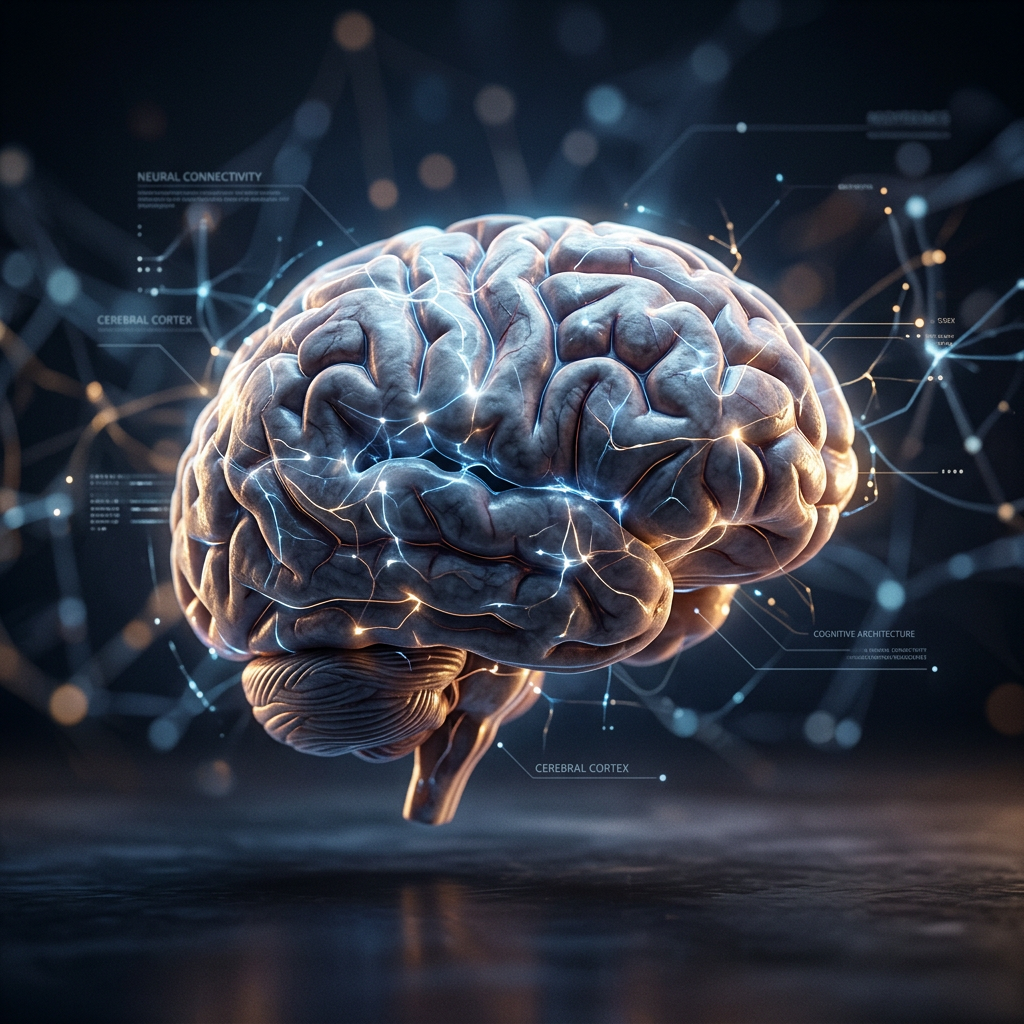
Your brain isn’t static—it’s alive, adaptive, and constantly rewriting itself. Like seasons shifting without asking permission, your mind moves through distinct phases of transformation. Each one shapes how you think, love, react, and rebuild.
Neuroscientists have spent decades mapping these changes, and what they’ve found is simple but powerful: you are not the same person you were—and that’s by design.
Let’s break down the four major periods of brain development and what they mean for your growth, your healing, and your future.
➤ 1. Early Childhood (0–6 Years): The Foundation Phase
This is where everything begins.
Your brain forms over 1 million neural connections per second (Harvard Center on the Developing Child).
Experiences—especially emotional ones—literally shape brain architecture.
Attachment, safety, and environment determine how the brain wires itself for trust or survival.
Dr. Charles Nelson emphasizes that early experiences don’t just influence development—they become the blueprint for how the brain functions later in life.
What this means for you: If you’re healing from childhood wounds, you’re not “too sensitive.” You’re working through patterns that were installed before you even had language.
➤ 2. Adolescence (12–25 Years): The Rewiring Phase
This stage is chaos… but purposeful chaos.
The brain undergoes massive synaptic pruning—cutting unused connections.
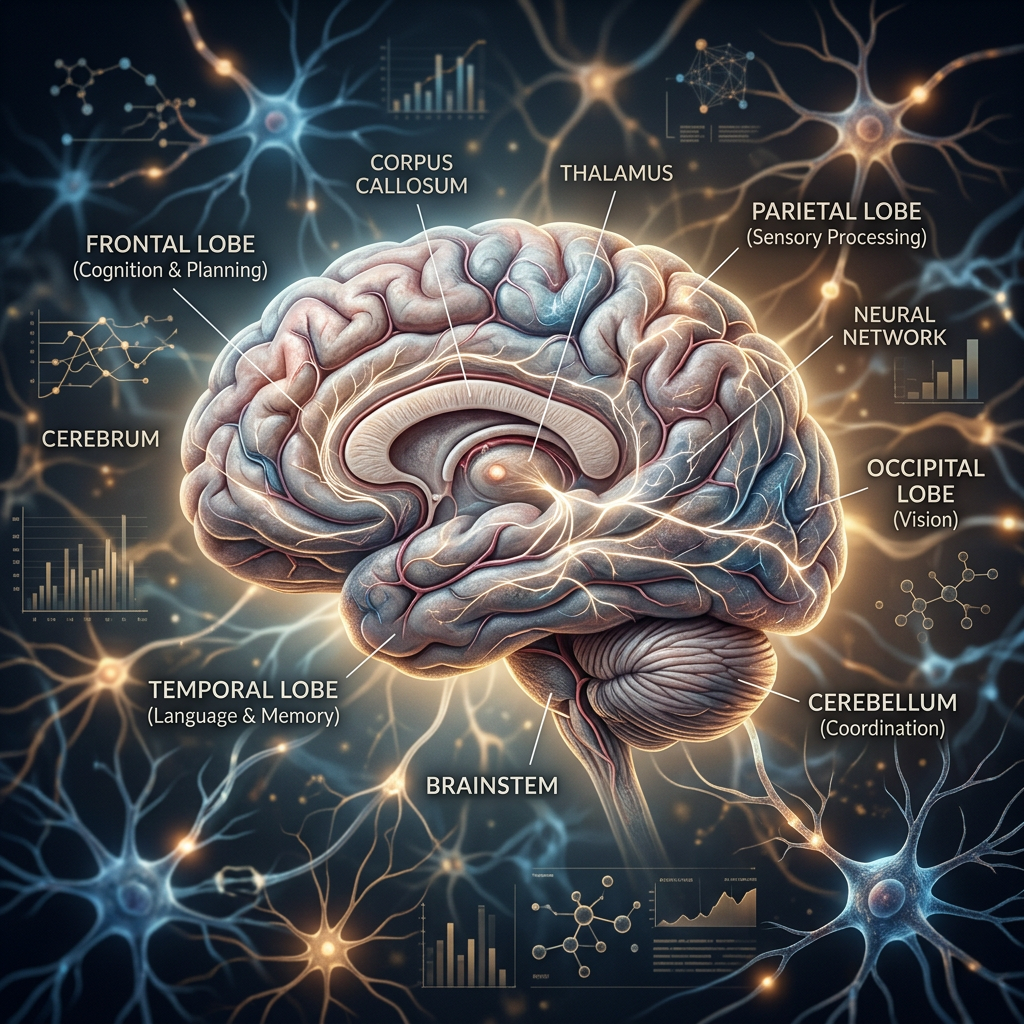
The prefrontal cortex (decision-making) is still developing.
The limbic system (emotions and reward) is highly active.
According to Dr. Jay Giedd, this imbalance explains why teens and young adults are more likely to take risks, feel deeply, and act impulsively.
What this means for you: You weren’t “doing too much” in your younger years—your brain was literally under construction. The emotions were louder because the control center wasn’t fully online yet.
➤ 3. Adulthood (25–65 Years): The Optimization Phase
Now the brain gets strategic.
The prefrontal cortex fully matures around age 25.
Cognitive abilities stabilize and improve with experience.
The brain becomes more efficient—less noise, more precision.
Neuroscientist Daniel J. Levitin notes that while processing speed may slow slightly, pattern recognition, emotional intelligence, and decision-making actually improve.
What this means for you: This is where you start choosing differently. Not because life got easier—but because your brain got smarter about what matters.
➤ 4. Later Life (65+ Years): The Integration Phase
This phase is often misunderstood—and underestimated.
The brain continues to change, but not just decline.
There is increased activity in areas linked to wisdom, empathy, and big-picture thinking.
Neuroplasticity still exists—your brain can still learn, adapt, and grow.
Dr. Laura Carstensen found that older adults often experience greater emotional stability and satisfaction, focusing more on meaningful connections than distractions.
What this means for you: Aging isn’t just loss—it’s refinement. It’s the brain letting go of noise and holding onto what’s real.
➤ The Science Behind It All: Neuroplasticity
At the core of every stage is one powerful concept: Your brain can change.
Neuroplasticity—the brain’s ability to reorganize itself—means:
Trauma doesn’t have to be permanent.
Habits can be rewritten.
Healing is biologically possible.
Dr. Michael Merzenich calls the brain a “dynamic system,” constantly reshaping itself based on experience.
➤ So What Does This Mean for Your Life?
Let’s bring it home.
Your reactions, your patterns, your growth—they’re not random. They’re the result of a brain that has been evolving through stages you didn’t even realize you were surviving.
That version of you that struggled? That was a phase.
That version of you that’s healing? That’s a phase too.
And the version you’re becoming? Still unfolding.
You are not stuck. You are in transition.
➤ Final Thought
Your brain has rewritten itself before—over and over again.
So don’t underestimate what it can do next.
Because healing, growth, and transformation? They’re not just emotional concepts.
They’re neurological realities.