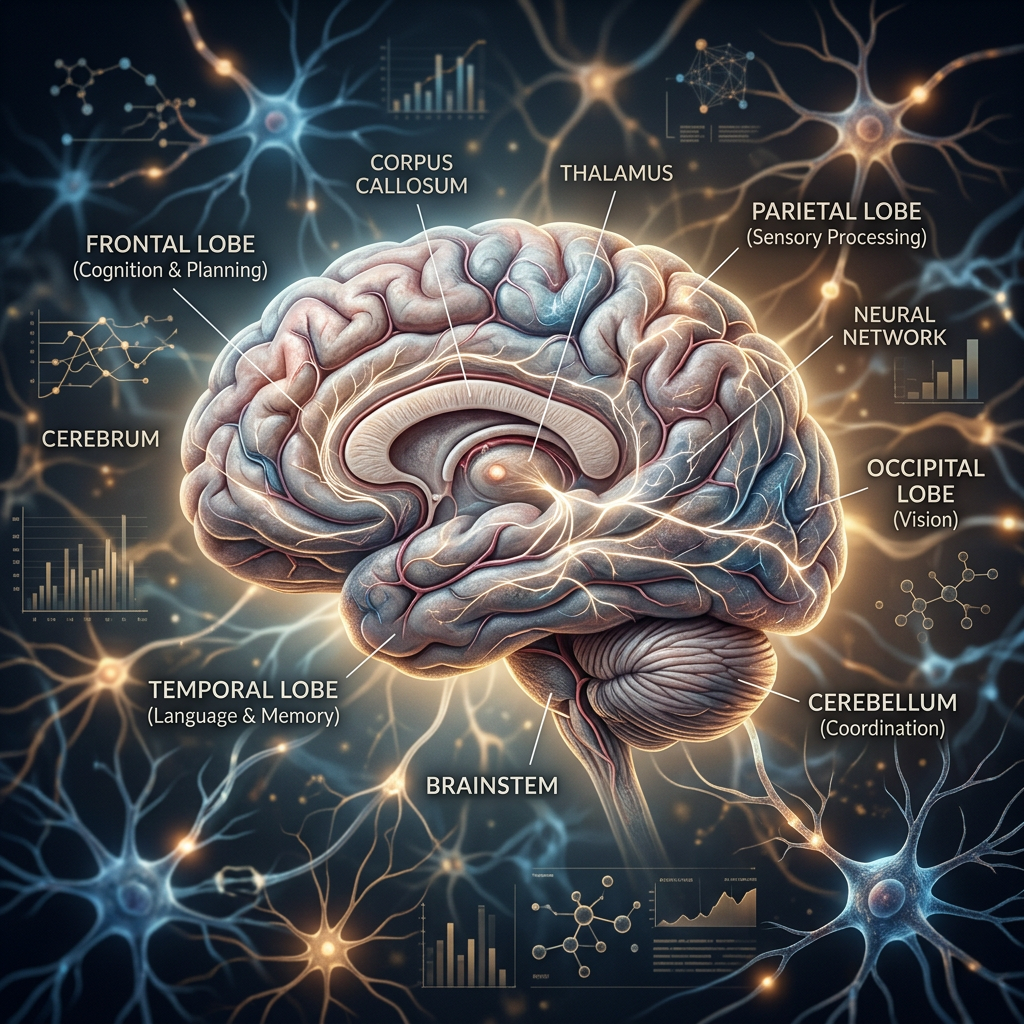
Meditation has long been associated with calm and clarity, but recent neuroscience research reveals it does much more. Neuroscientist Matthew Sacchet studies how master meditators’ brains function, uncovering how deep meditation reshapes our experience of pain, emotion, and consciousness itself. This research offers new understanding of the mind’s potential and practical ways to improve mental well-being.
How Meditation Changes the Brain
Master meditators spend thousands of hours practicing focused attention and open awareness. Sacchet’s research uses brain imaging to observe how this practice alters neural activity. Key findings include:
- Increased connectivity between brain regions involved in attention and emotion regulation.
- Reduced activity in areas linked to mind-wandering and self-referential thoughts.
- Enhanced control over pain perception pathways.
These changes suggest meditation trains the brain to stay present and manage emotional responses more effectively. This is not just relaxation but a fundamental shift in how the brain processes experience.
Meditation’s Effect on Pain and Emotion
One of the most striking discoveries is how meditation affects pain. Studies show that experienced meditators report less pain and show different brain responses when exposed to painful stimuli. Instead of blocking pain signals, meditation appears to change how the brain interprets them, reducing suffering.
Similarly, meditation helps regulate emotions by strengthening brain circuits that control reactivity. This means meditators can experience emotions fully without being overwhelmed or reacting impulsively. This rewiring supports resilience and mental balance.
What This Means for Consciousness
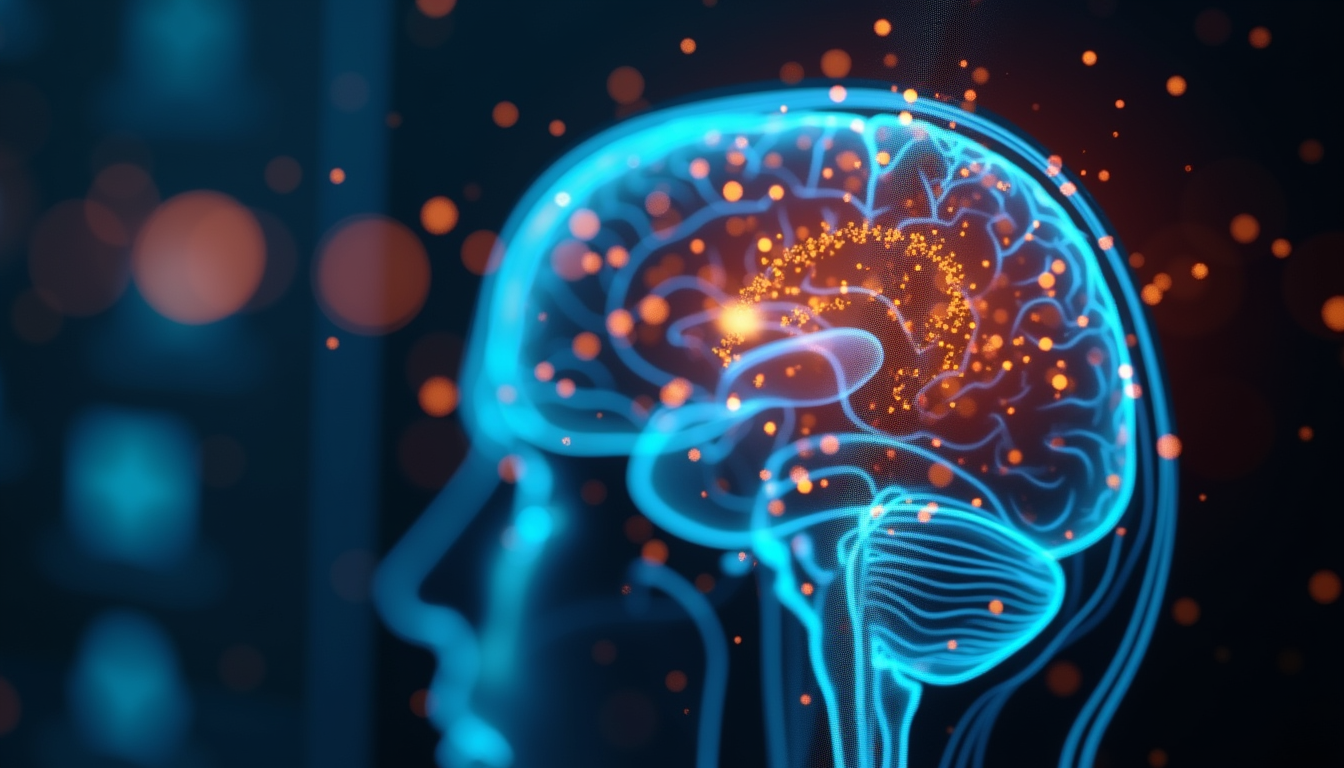
Sacchet’s work also touches on the nature of consciousness. Master meditators often describe transcendental states of bliss and a sense of self that feels expanded or dissolved. Neuroscience shows these experiences correlate with specific brain patterns, such as decreased activity in the default mode network, which is linked to the sense of a separate self.
This suggests consciousness is flexible and can be shaped by mental training. Meditation offers a way to explore different states of awareness, revealing how the mind constructs reality and self-identity.
Practical Takeaways for Everyday Life
You don’t need to be a master meditator to benefit from these insights. Here are some practical steps based on this research:
- Start with short daily sessions of focused attention meditation, such as following your breath for 5–10 minutes.
- Practice observing emotions without judgment to build emotional regulation skills.
- Use meditation to manage pain by shifting attention and changing your relationship to discomfort.
- Be patient: brain changes happen gradually with consistent practice.
Even beginners can notice improvements in focus, mood, and stress management over time.
The Future of Meditation and Neuroscience
As research advances, we expect to learn more about how meditation can support mental health, enhance learning, and even aid recovery from trauma. Technologies like real-time brain imaging and neurofeedback may help tailor meditation practices to individual needs.
Sacchet’s findings encourage a broader view of consciousness and mental health, showing that the mind is not fixed but can be trained to experience life with greater clarity and ease. April Carson
What Jobs Will Disappear in 2025/2026?
Ready to elevate your consciousness and expand your mind?
If you're not already a member of the 4BK TV Channel, it's time to join the journey! Immerse yourself in a captivating collection of workshops by Billy Carson on 4bk.tv, covering everything from Remote Viewing and Ancient History to Anomaly Hunting. Don't miss out on the extraordinary – become a member now and unlock a world of limitless possibilities!"
Start your 3-day FREE trial now!