By: April Carson
In 2024, a groundbreaking study unveiled the detection of equatorial plasma bubbles (EPBs) over the Pyramids of Giza, sparking intrigue among scientists and enthusiasts alike. These findings, facilitated by China's Low Latitude Long Range Ionospheric Radar (LARID), have prompted discussions about the implications of such phenomena over ancient structures.
Understanding Equatorial Plasma Bubbles
Equatorial plasma bubbles are regions of low-density ionized gas occurring in the Earth's ionosphere, predominantly after sunset in equatorial regions. They emerge when there's a sudden depletion of charged particles, leading to pockets that can disrupt satellite communications and GPS signals. These bubbles can span hundreds of kilometers and are a significant focus in space weather research.
The 2024 Discovery Over the Pyramids
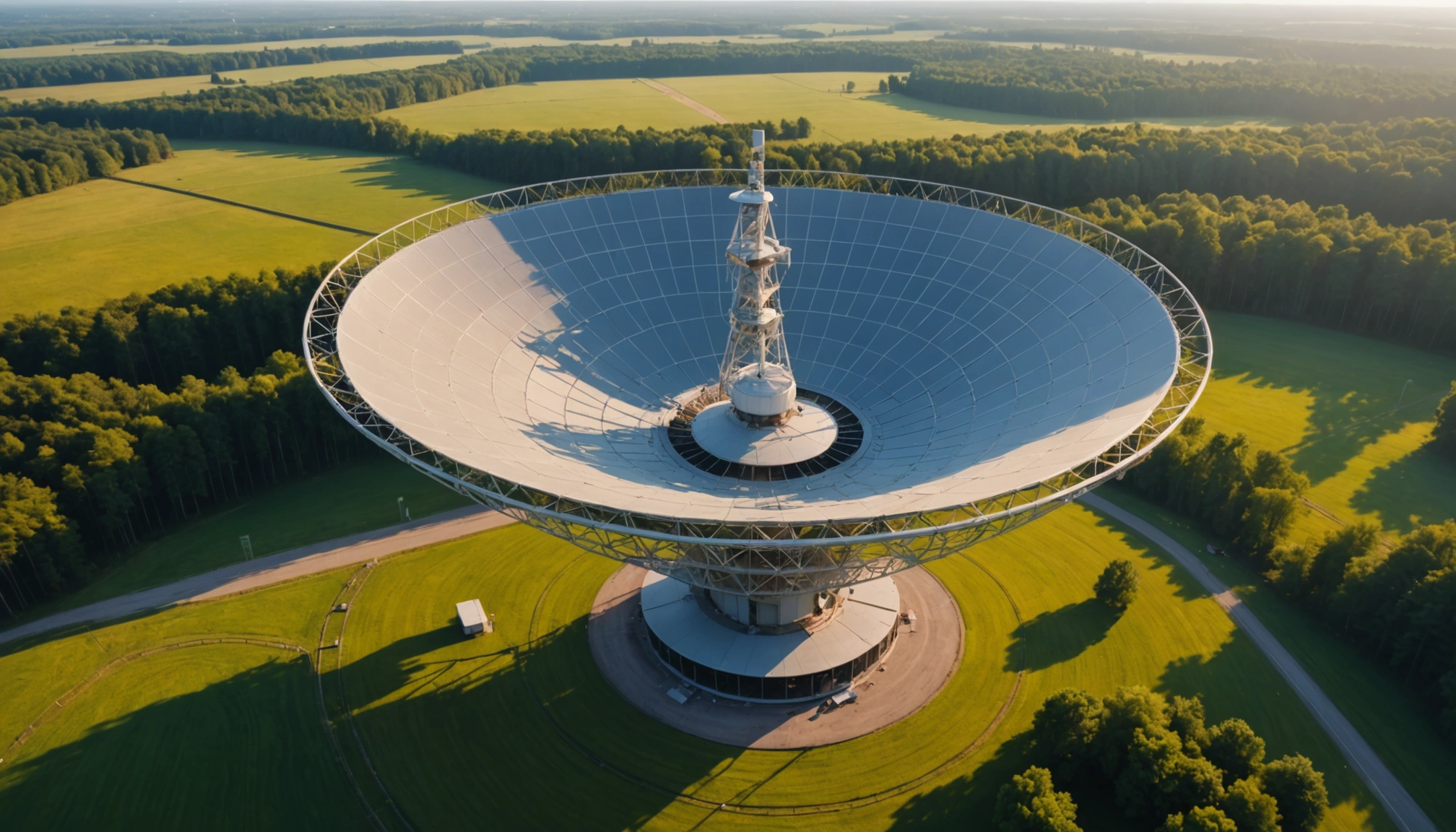
In early November 2023, during a solar storm, the LARID radar detected EPBs over the Pyramids of Giza and the Midway Islands. This marked the first instance of such phenomena being observed over these iconic structures. The radar, situated on Hainan Island, China, boasts a detection range of approximately 9,600 kilometers, enabling it to monitor atmospheric disturbances over vast distances.
Implications for Modern Technology
The detection of EPBs is crucial due to their potential to interfere with modern communication systems. As noted by researchers, "Plasma bubbles are an important space weather phenomenon" that can disrupt satellite operations. Understanding their formation and movement is vital for mitigating risks associated with space weather events.
Coincidence or Clue?
The simultaneous detection of EPBs over the Pyramids of Giza and other distant locations raises questions about the factors contributing to their formation. While EPBs are common in equatorial regions, their occurrence over specific landmarks like the pyramids is likely coincidental. However, it underscores the need for further research into the interactions between geomagnetic activity and Earth's surface features.
Future Research Directions
The 2024 study advocates for the establishment of a global network of over-the-horizon radars to monitor EPBs in real-time. Such a network would enhance our ability to predict and mitigate the impacts of space weather phenomena on both technological infrastructure and daily life.
The detection of mysterious plasma bubbles over the ancient pyramids, while intriguing, aligns with our current understanding of ionospheric physics. These findings highlight the importance of continuous monitoring and research to safeguard modern technologies from natural atmospheric disturbances.
References:
- "China's Powerful LARID Radar Detects Plasma Bubble Over Egyptian Pyramids." NDTV, 9 Sept. 2024.
- "Radar Detects Invisible Space Bubbles Over Pyramids of Giza with Power to Impact Satellites." New York Post, 10 Sept. 2024.
- "Equatorial Plasma Bubble." Wikipedia, last modified 1 Dec. 2024.
Life on Mars Uncovered by BILLY CARSON

Ready to elevate your consciousness and expand your mind?
If you're not already a member of the 4BK TV Channel, it's time to join the journey! Immerse yourself in a captivating collection of workshops by Billy Carson on 4bk.tv, covering everything from Remote Viewing and Ancient History to Anomaly Hunting. Don't miss out on the extraordinary – become a member now and unlock a world of limitless possibilities!"
Start your 3-day FREE trial now!