By: April Carson
The intersection of artificial intelligence (AI) and neuroscience has long captivated researchers worldwide, inspiring them to explore the intricate workings of the human brain to enhance machine learning capabilities. In a remarkable convergence of scientific endeavors, a groundbreaking hypothesis has emerged from the prestigious MIT (Massachusetts Institute of Technology) and Harvard University, suggesting the possibility of constructing brain-like Transformers using biological elements found within our neural networks. This hypothesis could lead to transformative advances in AI and neuroscientific understanding, bridging the gap between human cognition and machine learning.
Understanding Transformers and the Brain
Transformers, a class of deep learning models, have revolutionized AI by enabling remarkable advancements in natural language processing, computer vision, and more. Inspired by human language processing, Transformers operate through a mechanism known as self-attention. They process input data while considering the relationships between different elements, mimicking how our brain processes and connects information. This AI architecture has demonstrated exceptional capabilities, but researchers have begun to explore ways to make it even more biologically plausible and efficient.
Drawing Parallels between Neural Networks and Neurons
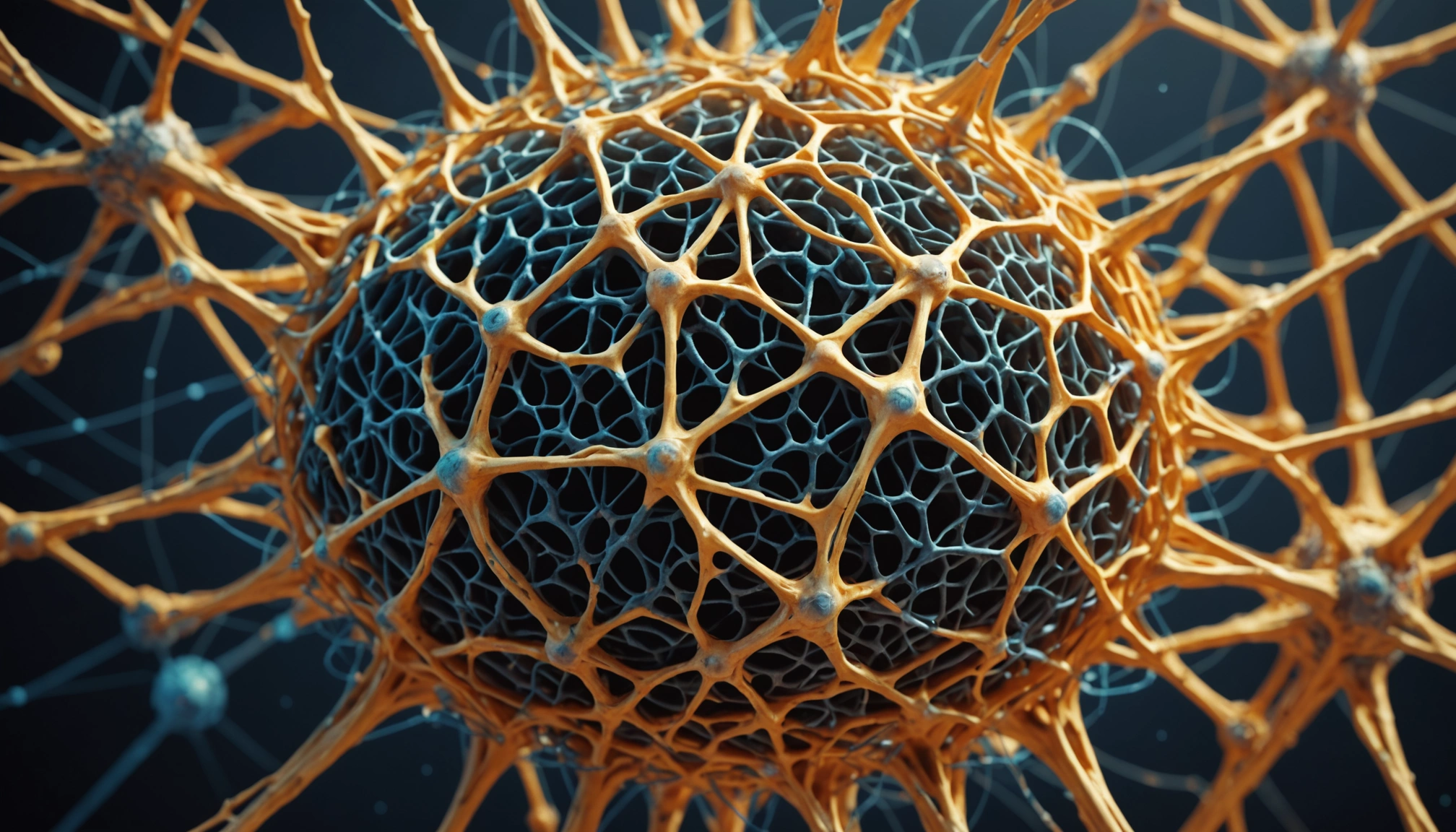
The human brain is an astonishing network of billions of interconnected neurons, which communicate through intricate synaptic connections. MIT and Harvard researchers have posited that certain principles governing neural communication could be harnessed to enhance the architecture of Transformers. The core idea revolves around the integration of concepts from both fields – AI and neuroscience – to create a hybrid model that could be more energy-efficient, adaptable, and capable of generalizing tasks in ways that current AI models struggle to achieve.
The Role of Synaptic Plasticity
At the heart of the proposed hypothesis is the concept of synaptic plasticity, the brain's ability to strengthen or weaken connections between neurons based on experience. This process underlies learning and memory in biological systems. By incorporating the principles of synaptic plasticity into the architecture of Transformers, the researchers aim to create an AI model that can learn more efficiently from limited data and adapt to new tasks rapidly. This approach could potentially lead to AI systems that are less reliant on massive amounts of labeled data, thereby addressing a significant limitation of current machine learning methods.
Advantages and Challenges
The potential benefits of incorporating biological elements into AI architectures are substantial. A brain-inspired Transformer could exhibit improved energy efficiency, making it more sustainable and compatible with resource-constrained environments. Furthermore, the model's ability to generalize tasks based on limited data could revolutionize fields such as medical diagnostics, where data availability is often limited.
However, the path ahead is not without challenges. Mimicking the complex interplay of biological elements in an artificial system requires a deep understanding of neurobiology, as well as innovative engineering solutions. Additionally, ensuring ethical considerations and responsible AI practices are upheld throughout the development process is crucial.
Future Implications
If the hypothesis put forth by MIT and Harvard researchers comes to fruition, the implications for both AI and neuroscience could be profound. From an AI perspective, brain-inspired Transformers could lead to more robust, efficient, and versatile models, ushering in a new era of machine learning capabilities.
On the neuroscience front, the exploration of how biological principles can enhance AI architectures could deepen our understanding of neural processes, potentially uncovering insights into neurological disorders and cognitive functions.
The collaboration between MIT and Harvard researchers in combining the power of AI and the insights from neuroscience exemplifies the synergistic nature of scientific exploration. The hypothesis of constructing brain-inspired Transformers not only promises to advance the field of artificial intelligence but also holds the potential to unravel some of the brain's mysteries.
As this interdisciplinary journey continues, we eagerly anticipate the evolution of AI models that bridge the gap between biological neural networks and cutting-edge machine learning architectures, propelling us towards a future where the realms of science and technology are intricately intertwined.
The Night People – Terrifying Tales From A Small East Yorkshire Town In England w/Jonny Enoch
-----------

-------------------
Are you a member of the 4BK TV Channel? If not, you should want to become one!!
On 4bk.tv, you can Expand your mind and explore your consciousness in our collection of workshops by Billy Carson, including Remote viewing - Ancient History - Anomaly Hunting, and how to Manifest the things in life you've always desired!
Start your 3-day FREE trial now!

GET YOUR BOOK TODAY!