By: April Carson
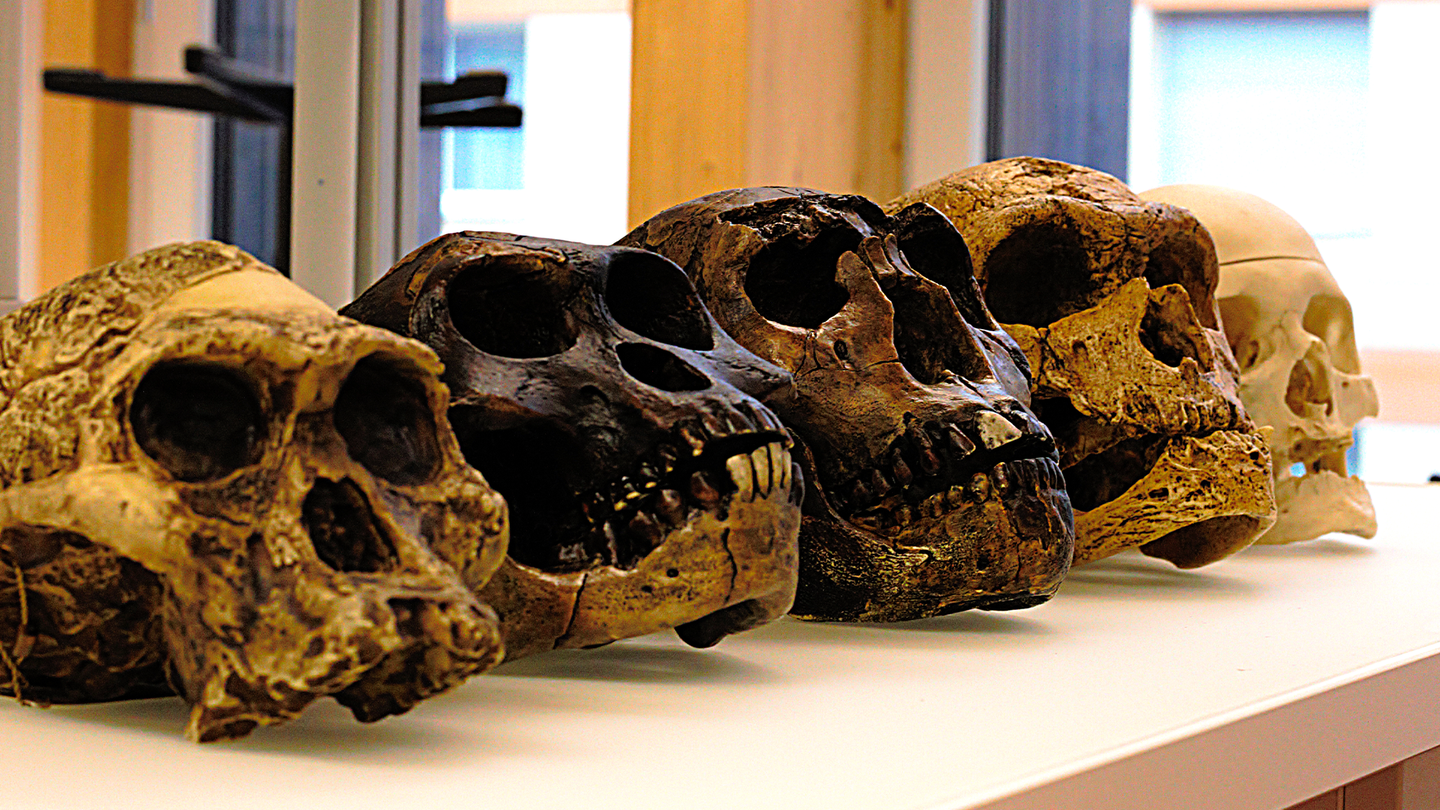
In the breathtakingly beautiful highlands of what is now Ethiopia, an ancient chapter of human history unfolds. Over two million years ago, early humans called these lofty terrains home. Recent discoveries have rewritten our understanding of our ancestors' ability to adapt to various environments, as a child's jawbone found in the Ethiopian highlands is among the earliest fossils identified as Homo erectus. This finding not only reveals the presence of ancient hominins in high-altitude areas but also sheds new light on our species' evolution.
A Journey Through Time and Space
The story begins with the excavation of a fossilized jawbone, that of an infant, in 1981 at a site known as Garba IV in the Ethiopian highlands. These high-altitude sites are collectively referred to as Melka Kunture, and they have become a pivotal location for understanding human history. This jawbone, affectionately nicknamed "Little Garba," has ignited a fervor of research, inviting the expertise of archaeologists, paleontologists, and historians to piece together our ancestors' high-altitude habitation.
Margherita Mussi, a prominent figure in this historical investigation and a key contributor to our understanding of early human life in the Ethiopian highlands, leads the charge. Mussi, associated with the Italo-Spanish Archaeological Mission at Melka Kunture and Balchit, based in Rome, plays a crucial role in the reanalysis of this precious artifact.
A New Chapter in the Human Story
Hominins have been found in significant numbers in eastern and southern Africa. However, prior to this groundbreaking discovery, high-altitude areas remained relatively uncharted territory for our early human ancestors. Little Garba's jawbone challenges our previous assumptions about the ecological adaptability of Homo erectus, an early hominin species.
The confirmation that Little Garba belonged to Homo erectus is a pivotal revelation. Homo erectus is believed to be one of the first hominin species to exhibit traits indicative of anatomically modern humans. The presence of Homo erectus in the Ethiopian highlands, two million years ago, signifies their ability to thrive in diverse environments, including the challenging high-altitude regions.
Implications for Our Understanding of Human Evolution
The discovery of Little Garba suggests that Homo erectus may have had a broader range of ecological tolerance than previously imagined. These early humans were not limited to lowland areas; they successfully ventured into high-altitude zones, showcasing their remarkable adaptability. This finding prompts researchers to explore how Homo erectus navigated different ecosystems and the implications for the broader human evolutionary narrative.
Furthermore, the discovery provides new perspectives on early human migration patterns and dispersal strategies. The ability to occupy high-altitude regions reveals the extent of Homo erectus' territorial reach and their capacity to exploit a wide range of resources.
The unearthing of Little Garba's jawbone in the Ethiopian highlands is a testament to the relentless pursuit of knowledge about our ancient ancestors. This finding challenges long-held beliefs about the ecological adaptability of early humans and expands our understanding of their remarkable journey.
Margherita Mussi and her colleagues have played a pivotal role in shedding light on this crucial aspect of human evolution. Their work not only unearths the past but also illuminates the fascinating story of our species, Homo erectus, and its ability to adapt to the most diverse and challenging environments.
As the excavation of the Ethiopian highlands continues, we can only anticipate more revelations and insights into the enigmatic lives of our ancient forebears. Little Garba's jawbone is a reminder of how much there is left to discover about our shared human history.
--------
-------------------
Are you a member of the 4BK TV Channel? If not, you should want to become one!!
On 4bk.tv, you can Expand your mind and explore your consciousness in our collection of workshops by Billy Carson, including Remote viewing - Ancient History - Anomaly Hunting, and how to Manifest the things in life you've always desired!
Start your 3-day FREE trial now!

GET YOUR BOOK TODAY!