The search for alien life has moved from science fiction to a serious scientific pursuit. Recent discoveries, from ancient mudstones on Mars to unusual gases detected in the atmospheres of distant exoplanets, suggest that signs of extraterrestrial life might be closer than ever. This post explores how scientists gather and interpret evidence to prove that life beyond Earth exists.
Detecting Clues on Mars: The Role of Mudstones
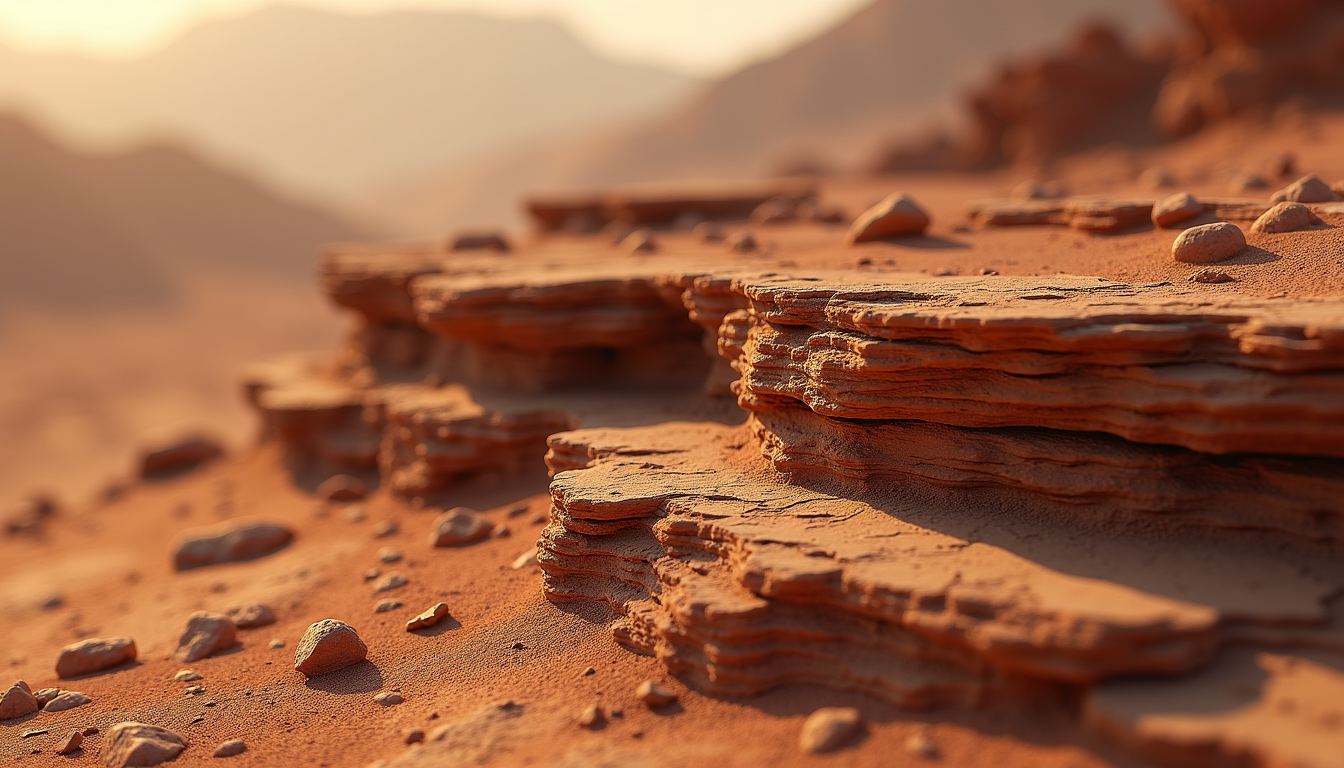
Mars has long been a prime candidate in the search for life beyond Earth. The planet’s surface holds clues about its past environment, especially in the form of mudstones—fine-grained sedimentary rocks that form in water-rich settings. These rocks can trap organic molecules and preserve signs of microbial life.
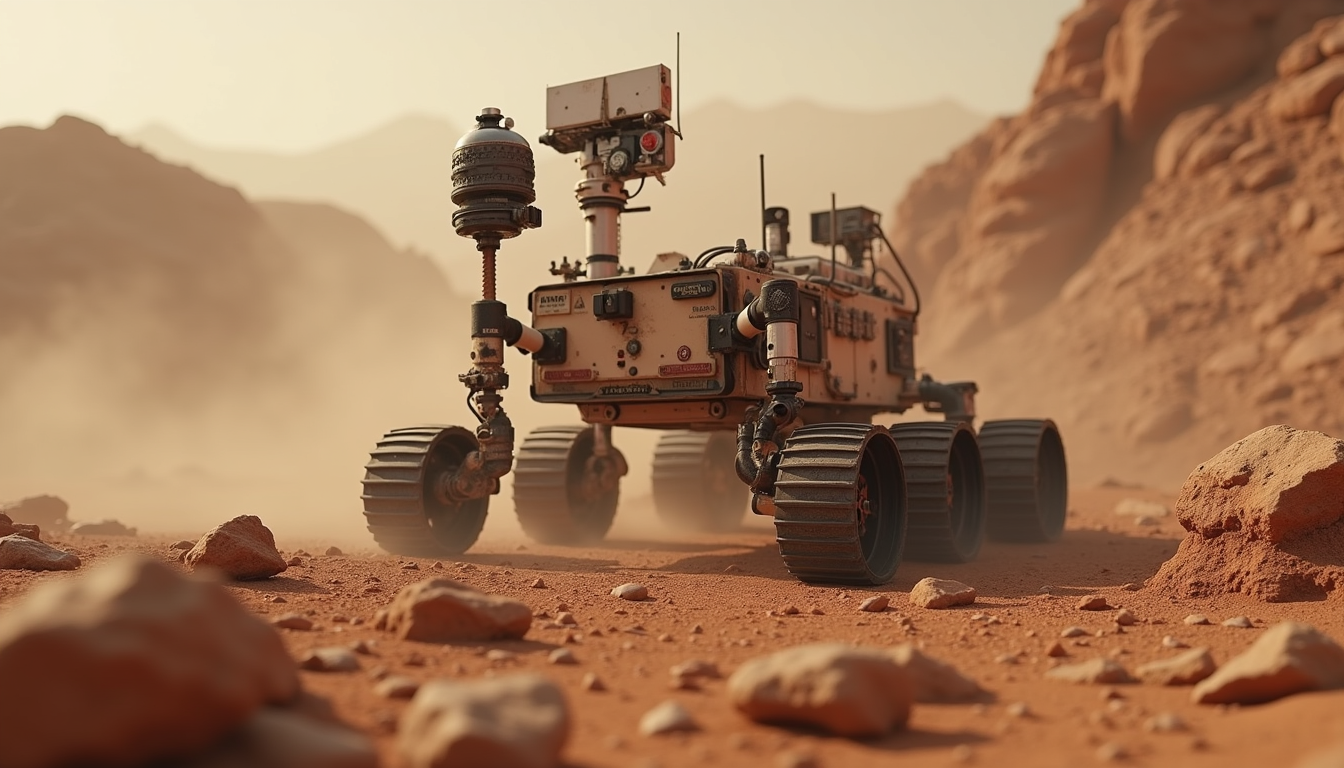
NASA’s Perseverance rover is currently exploring Jezero Crater, a former lakebed filled with mudstones. Scientists analyze the chemical composition of these rocks to detect organic compounds and minerals that form in the presence of water. For example, the discovery of clay minerals and carbon-rich molecules suggests that Mars once had conditions suitable for life.
Studying these mudstones involves:
- Sampling rock layers to identify organic molecules
- Analyzing mineral content to understand past water activity
- Searching for biosignatures such as specific isotopes or chemical patterns linked to life
These findings do not prove life outright but build a strong case that Mars had habitable environments in its past.
Strange Gases in Exoplanet Atmospheres
Beyond our solar system, astronomers study exoplanets—planets orbiting other stars—to find signs of life. One promising method is analyzing the gases in their atmospheres. Certain gases, like oxygen, methane, or phosphine, can indicate biological activity if they appear in unusual amounts or combinations.
For example, the detection of phosphine gas in the atmosphere of Venus sparked debate because on Earth, phosphine is mainly produced by microbial life in oxygen-poor environments. Similarly, methane detected on Mars and some exoplanets raises questions about its origin, whether biological or geological.
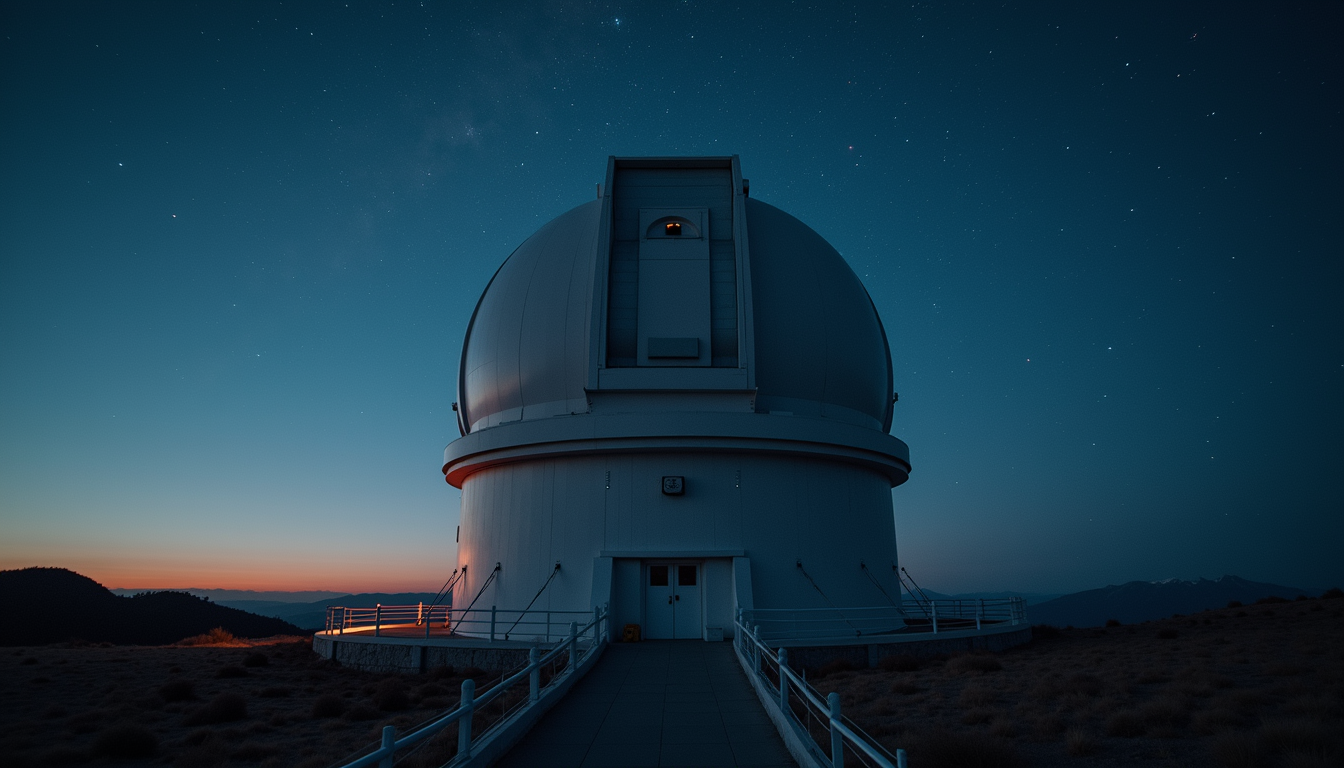
Scientists use powerful telescopes like the James Webb Space Telescope to:
- Measure atmospheric composition through spectroscopy
- Identify gases that are out of chemical balance and unlikely to be produced by non-living processes
- Compare findings to Earth’s biosignatures to assess the likelihood of life
While these gases alone don’t confirm life, they provide strong hints that encourage further investigation.
Combining Multiple Lines of Evidence
Proving alien life requires more than one type of evidence. Scientists combine geological, chemical, and atmospheric data to build a comprehensive picture. For instance, if Mars mudstones show organic molecules and an exoplanet’s atmosphere contains life-related gases, the case for extraterrestrial life strengthens.
Key approaches include:
- Cross-verifying data from different missions and instruments
- Using Earth analogs such as extreme environments where life thrives without sunlight or oxygen
- Developing new technologies to detect subtle biosignatures remotely or in situ
This multi-disciplinary approach reduces false positives and helps distinguish between biological and non-biological sources.
The Challenges Ahead
Despite exciting progress, proving alien life remains difficult. Challenges include:
- Contamination risks where Earth microbes might confuse results
- Ambiguous signals that can be explained by non-biological processes
- Technological limits in detecting faint or distant biosignatures
Scientists address these by strict sterilization protocols, refining detection methods, and planning future missions like sample return from Mars or more advanced space telescopes.
What This Means for Humanity
Finding proof of alien life would transform our understanding of the universe and our place within it. It would answer one of humanity’s oldest questions and open new fields of science and exploration. Even tentative evidence pushes technology forward and inspires curiosity. April Carson
This Is Not a Drill: Trump Claims the U.S. Is Now Running Venezuela
Ready to elevate your consciousness and expand your mind?
If you're not already a member of the 4BK TV Channel, it's time to join the journey! Immerse yourself in a captivating collection of workshops by Billy Carson on 4bk.tv, covering everything from Remote Viewing and Ancient History to Anomaly Hunting. Don't miss out on the extraordinary – become a member now and unlock a world of limitless possibilities!"
Start your 3-day FREE trial now!