By: April Carson
The universe is a realm of enigmatic beauty and ceaseless motion, yet not every celestial body thrives. Among its mysteries lie "zombie galaxies"—once-vibrant star-forming regions that have transitioned into dormant states. These galaxies, stripped of life-sustaining star formation, beckon astronomers to unravel their secrets.
What Are Zombie Galaxies?
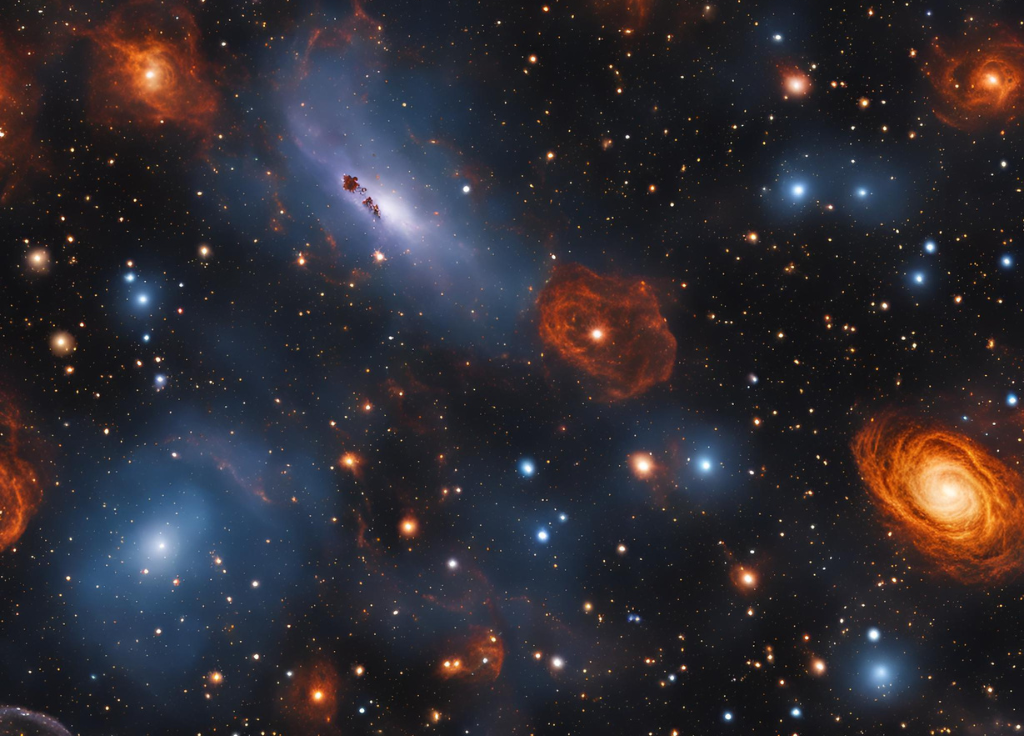
Zombie galaxies, a term coined to evoke their lifeless appearance, are galaxies that no longer produce new stars. Unlike their active counterparts, these galaxies exhibit faint glows as they slowly fade into obscurity. The Milky Way, a bustling spiral galaxy, contrasts sharply with these cosmic husks, offering a stark juxtaposition of life and death in the cosmos.
How Do Galaxies Become "Zombie Galaxies"?
- Starvation of Gas Supply:Star formation relies on vast reservoirs of gas. When galaxies are cut off from their supply, often due to interactions with neighboring galaxies or the influence of a supermassive black hole, they lose the fuel necessary to sustain their stellar nurseries.
- Galaxy Collisions and Mergers:Violent collisions between galaxies can strip away essential gas and disrupt star formation. Over time, these tumultuous events can leave behind an unproductive remnant.
- Environmental Factors in Galaxy Clusters:Research from 2024 highlights the impact of the harsh environments within galaxy clusters. These dense regions exert gravitational forces and high-energy interactions, effectively quenching star formation in galaxies trapped within.
Key Findings from the 2024 Study
A recent study led by Dr. Elena Ramirez at the European Southern Observatory (ESO) utilized data from the James Webb Space Telescope (JWST) to investigate zombie galaxies in the early universe. The findings revealed:
- Rapid Transition Phases: Many zombie galaxies underwent abrupt halts in star formation due to supermassive black hole activity. Energetic outflows from these black holes expelled gas critical for star formation.
- Unique Chemical Signatures: These galaxies retained older stellar populations rich in heavy elements, suggesting prolonged periods of star formation before their demise.
- Implications for Cosmic Evolution: The study concluded that zombie galaxies could serve as fossil records, offering clues about the universe's early dynamics and the life cycle of galaxies.
The Role of Zombie Galaxies in Cosmic History
Despite their lifeless state, zombie galaxies are far from irrelevant. They hold vital clues about the universe’s evolution:
- Tracing the Timeline of Star Formation: Zombie galaxies help researchers map periods of intense star formation and their abrupt ends.
- Insights into Supermassive Black Holes: The relationship between zombie galaxies and their central black holes provides crucial insights into the interplay of galaxy dynamics and black hole growth.
- Dark Matter Studies: The gravitational behavior of these galaxies offers a unique perspective on the elusive nature of dark matter.
Are Zombie Galaxies Truly Lifeless?
While these galaxies appear dormant, some astronomers suggest they may experience faint bursts of activity. This phenomenon, referred to as "cosmic rejuvenation," occurs when they encounter fresh gas or interact with nearby galaxies. Such findings fuel debates and further exploration into whether death in the universe is ever truly permanent.
The Future of Zombie Galaxy Research
The 2024 study marks a significant step forward, but many questions remain. Upcoming missions like the Nancy Grace Roman Space Telescope promise to extend these investigations, focusing on how environmental and internal processes shape the life cycle of galaxies.
As we uncover the mysteries of zombie galaxies, we deepen our understanding of the universe’s history and the factors shaping its destiny.
References:
- Ramirez, E., et al. (2024). “Galactic Evolution in Harsh Environments: Insights from Zombie Galaxies.” European Southern Observatory.
- James Webb Space Telescope Data Repository. (2024). "Star Formation Quenching Mechanisms."
- Beckwith, S. V., & Kormendy, J. (2024). "The Role of Black Holes in the Life Cycle of Galaxies." Astrophysical Journal.
How Quantum Entanglement Could Transform Our Understanding of Reality and Connectivity.
Ready to elevate your consciousness and expand your mind?
If you're not already a member of the 4BK TV Channel, it's time to join the journey! Immerse yourself in a captivating collection of workshops by Billy Carson on 4bk.tv, covering everything from Remote Viewing and Ancient History to Anomaly Hunting. Don't miss out on the extraordinary – become a member now and unlock a world of limitless possibilities!"
Start your 3-day FREE trial now!