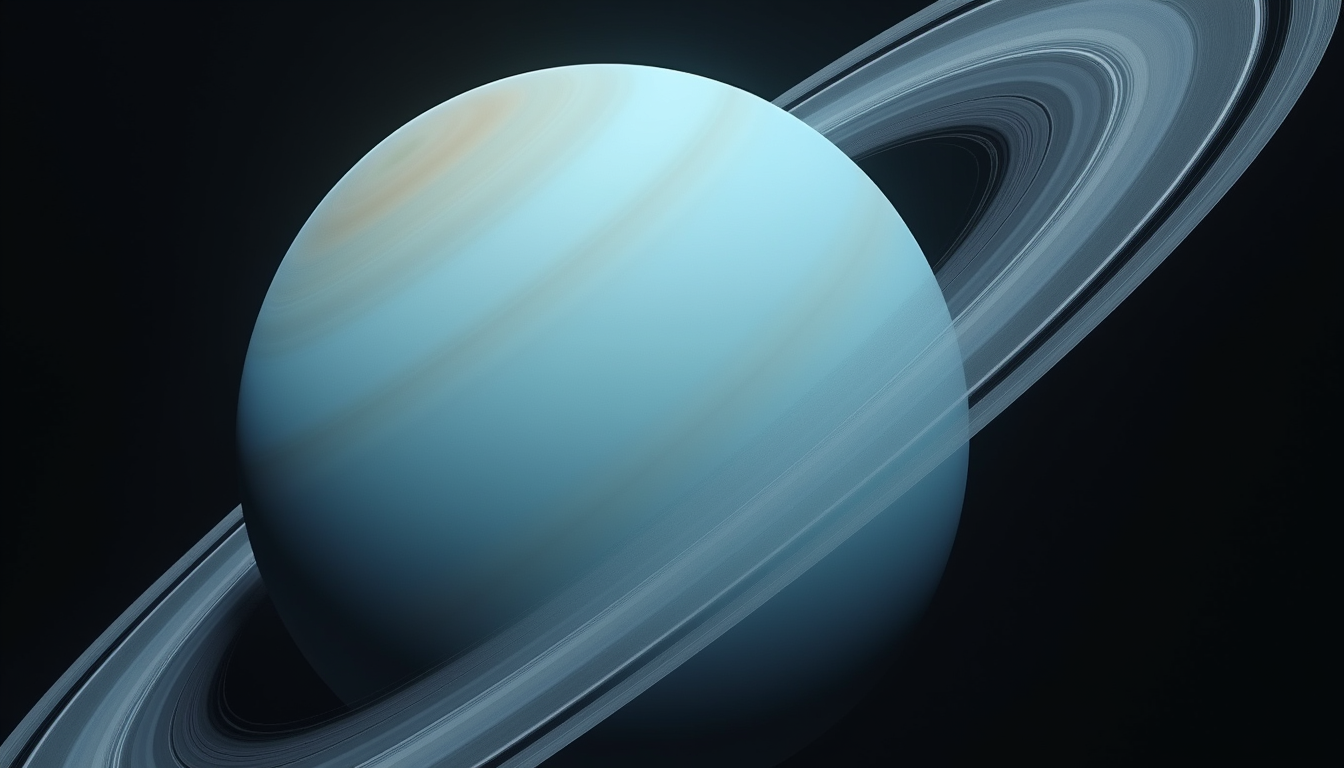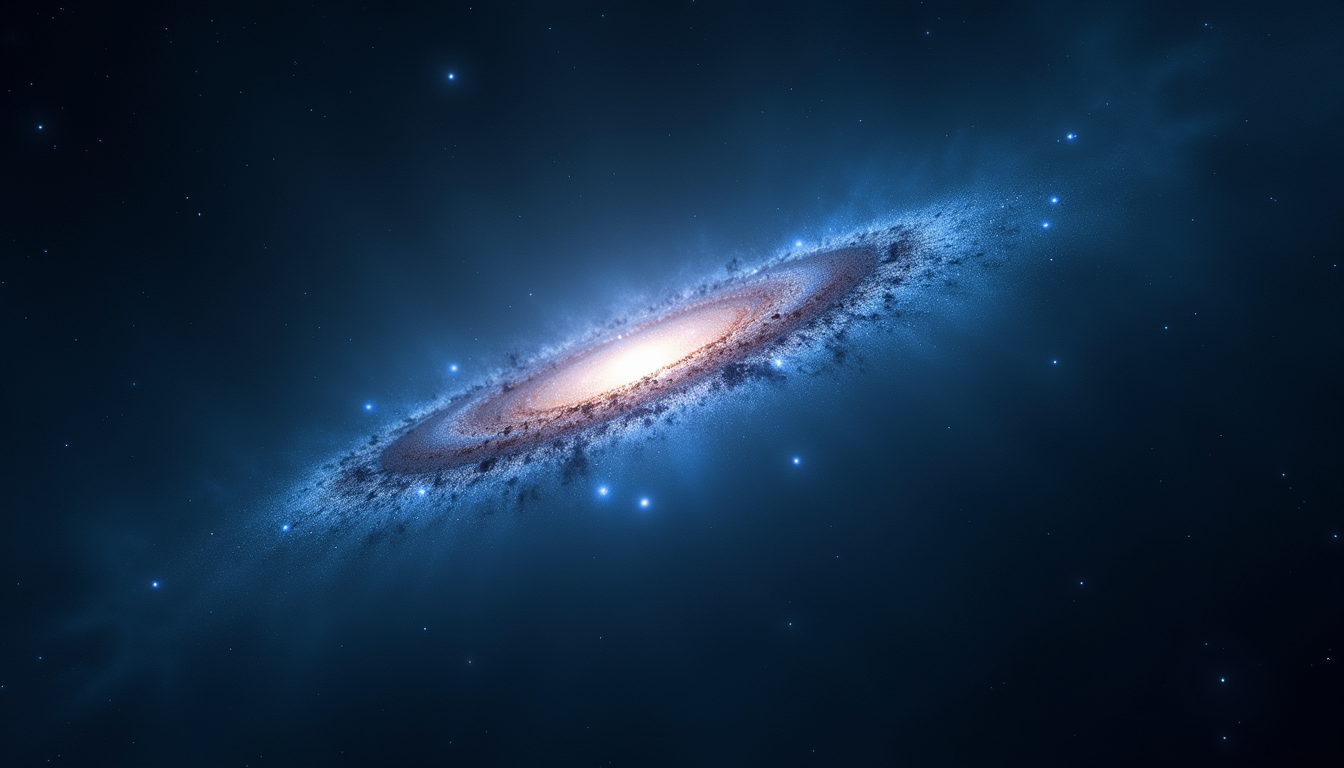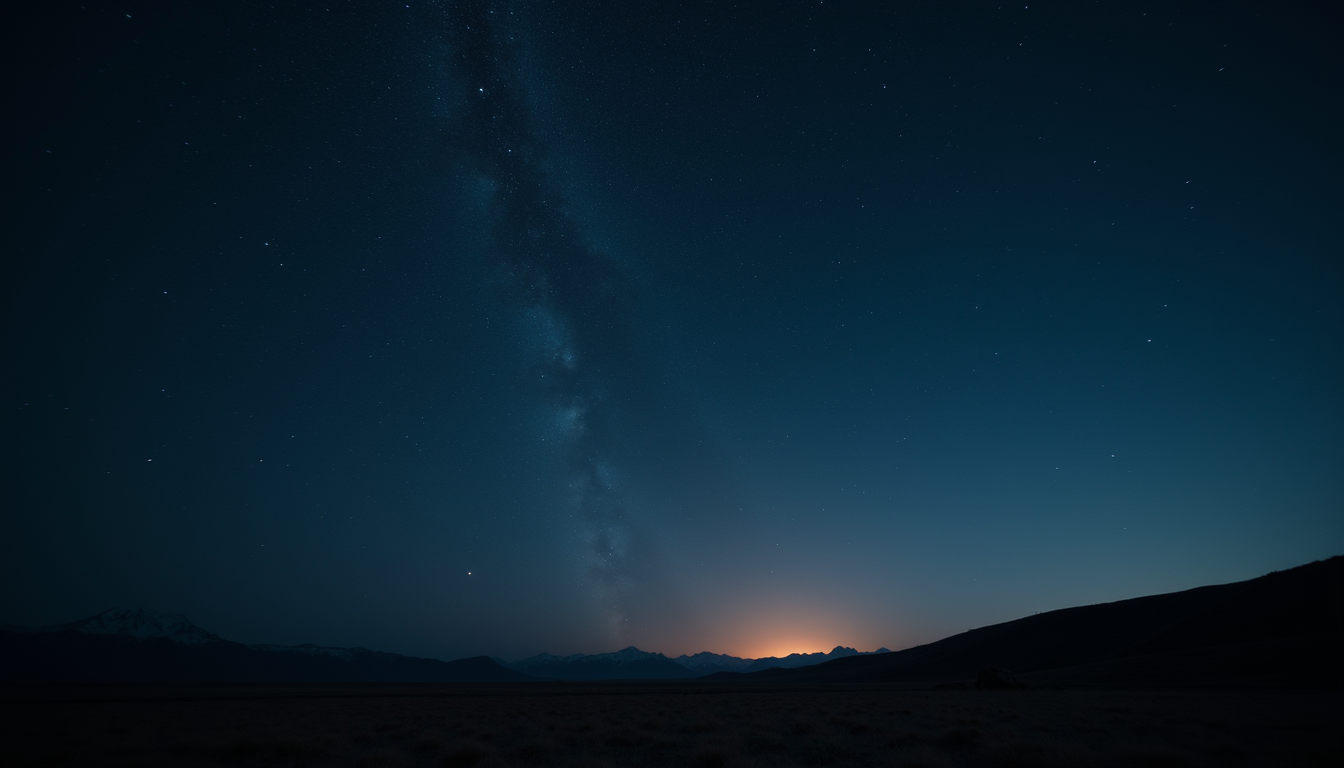
For centuries, many Europeans believed the cosmos was filled with eternal daylight, a bright and endless expanse where stars and planets shone continuously. This idea shaped how people understood the universe and their place within it. Only recently have we come to realize that space is mostly dark, a vast emptiness punctuated by distant points of light. This shift in understanding has changed not only our scientific view but also the way we think about the universe and ourselves.
Why Did People Think Space Was Bright?
The belief in a bright, eternal cosmos comes from several historical and cultural factors:
- Ancient observations: Early astronomers saw stars and planets shining brightly at night. Without telescopes, the sky seemed full of light.
- Philosophical ideas: Many ancient and medieval thinkers imagined the heavens as perfect and unchanging, filled with light to symbolize purity and divinity.
- Religious influence: Light often represented goodness and life in religious texts, reinforcing the idea of a luminous universe.
These ideas combined to create a worldview where darkness was associated with ignorance or evil, and light was the natural state of the cosmos.
The Puzzle of the Dark Night Sky
The question of why the night sky is dark puzzled scientists for centuries. If the universe were infinite and filled with stars, the sky should be bright all the time. This problem is known as Olbers' Paradox, named after the German astronomer Heinrich Olbers who described it in the 19th century.
Olbers argued that in an infinite universe with stars evenly spread out, every line of sight should end on a star’s surface, making the sky bright. But the night sky is mostly dark. This contradiction challenged the idea of an eternal, unchanging universe.
How Science Changed Our View
The solution to this paradox came with advances in astronomy and physics during the 20th century:
- Expanding universe: Edwin Hubble discovered that galaxies are moving away from us, meaning the universe is expanding. This implies the universe had a beginning and is not infinite in time.
- Finite age of stars: Stars have lifespans. Not all stars have existed forever, so the light we see is limited by how far it has traveled.
- Cosmic background radiation: The discovery of the cosmic microwave background showed the universe started from a hot, dense state and has been cooling and expanding since.
These findings explain why the night sky is dark: the universe is not infinite in time or space, and light from distant stars has not had enough time to reach us.
The Psychological Impact of a Dark Universe
The shift from a bright, eternal cosmos to a dark, vast emptiness has affected how people feel about the universe:
- Sense of isolation: The darkness highlights the vast distances and emptiness between stars, making Earth feel more isolated.
- Humility and curiosity: Understanding the universe’s true nature encourages humility and drives scientific curiosity.
- Existential reflection: The dark cosmos invites questions about life’s meaning and humanity’s place in the universe.
This change in perspective has influenced art, literature, and philosophy, reflecting a more complex and sometimes sobering view of the cosmos.
What This Means for Our Future Exploration
Knowing that space is mostly dark and vast shapes how we explore it:
- Technology development: We need sensitive instruments to detect faint light from distant objects.
- Space travel challenges: The darkness and emptiness remind us of the difficulties in traveling and communicating across vast distances.
- Search for life: The dark universe encourages us to look carefully for signs of life in unexpected places.
Our understanding of the universe’s darkness pushes us to develop new tools and ideas to explore further.
 April Carson
Weaponized Weather as a Force Multiplier : Cloud Seeding
Ready to elevate your consciousness and expand your mind?
If you're not already a member of the 4BK TV Channel, it's time to join the journey! Immerse yourself in a captivating collection of workshops by Billy Carson on 4bk.tv, covering everything from Remote Viewing and Ancient History to Anomaly Hunting. Don't miss out on the extraordinary – become a member now and unlock a world of limitless possibilities!"
Start your 3-day FREE trial now!