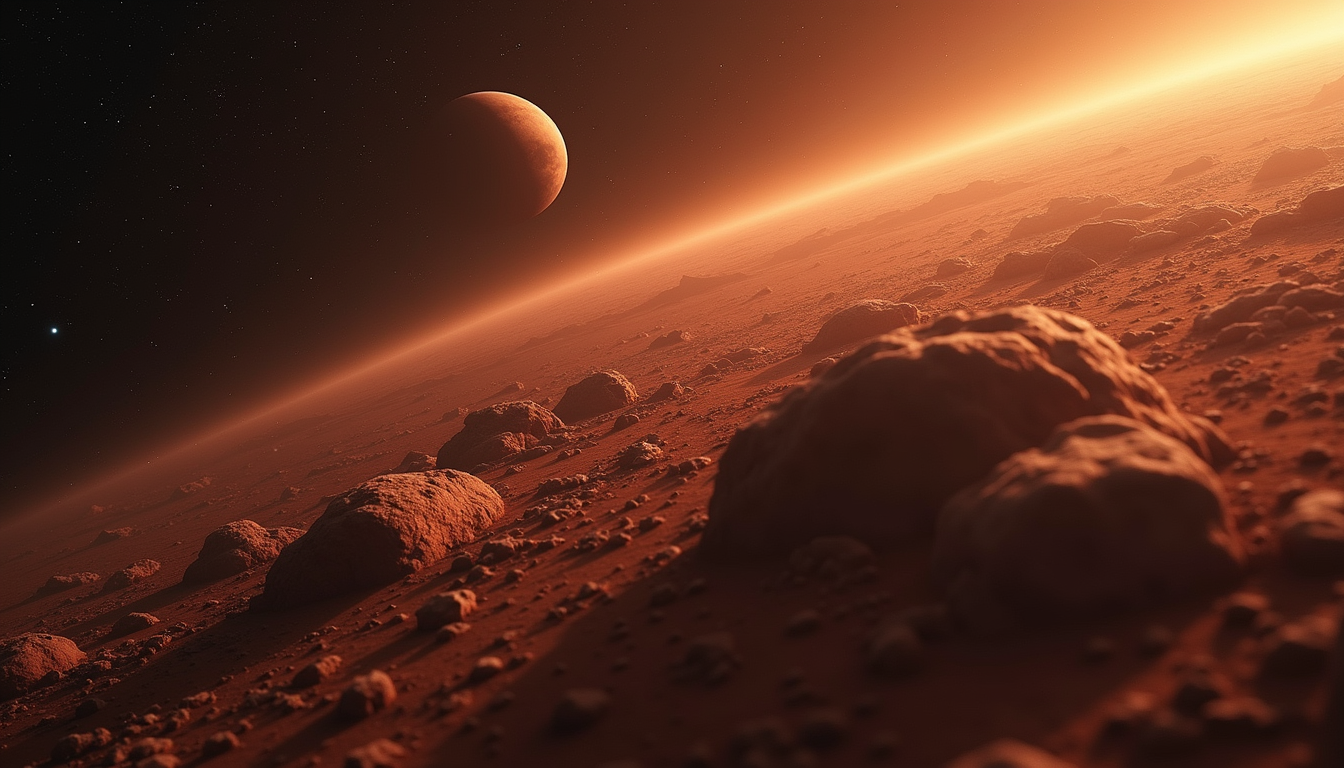
Mars currently has two small moons, Phobos and Deimos, orbiting the planet. These moons are tiny compared to Earth's Moon, and their origins have puzzled scientists for decades. Recent research suggests that Mars may once have had a much larger moon, whose gravitational influence could have significantly shaped the Martian surface and environment. This idea opens new perspectives on Mars' geological history and its potential for past habitability.
The Current Moons of Mars and Their Mysteries
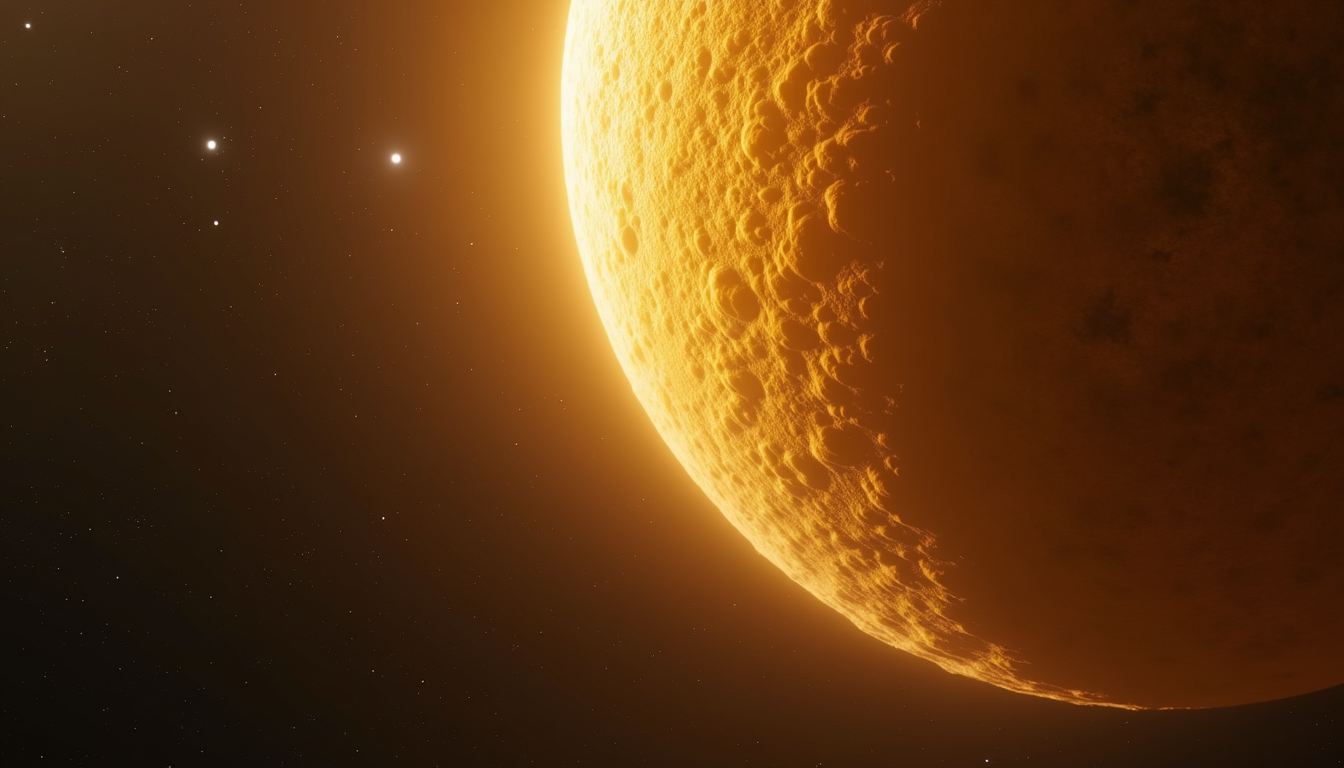
Phobos and Deimos are small, irregularly shaped moons, much smaller than Earth's Moon. Phobos measures about 22 kilometers across, while Deimos is even smaller at roughly 12 kilometers. Their size and composition have led scientists to debate whether they are captured asteroids or formed from debris around Mars.
Both moons orbit very close to Mars, with Phobos orbiting just 6,000 kilometers above the surface. This proximity causes Phobos to slowly spiral inward and will eventually lead to its destruction or collision with Mars in tens of millions of years.
The small size and irregular shapes of Phobos and Deimos contrast sharply with the idea of a large, stable moon. This contrast has led researchers to explore whether these moons are remnants of a larger body that once orbited Mars.
Evidence for a Larger Moon in Mars’ Past
Several lines of evidence support the idea that Mars once had a larger moon:
- Gravitational Effects on Mars’ Surface: Some geological features on Mars, such as certain tidal patterns and crustal deformations, suggest a stronger gravitational pull from a nearby satellite in the past.
- Orbital Dynamics: Models of Mars’ moon system show that a larger moon could have broken apart due to tidal forces, leaving behind smaller fragments that became Phobos and Deimos.
- Composition Similarities: The moons share some compositional traits with Mars, hinting they may have originated from Mars itself rather than being captured asteroids.
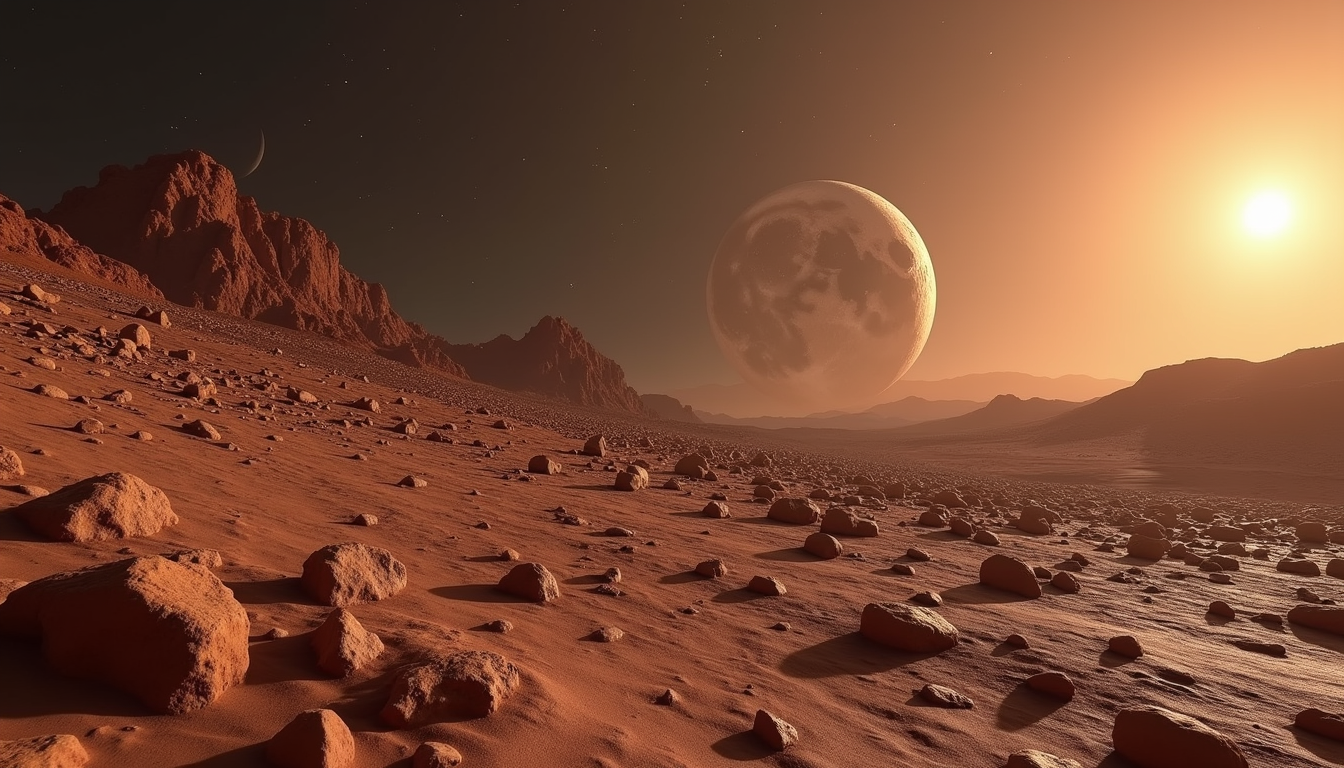
Scientists propose that a large moon, possibly tens or hundreds of kilometers wide, orbited Mars early in its history. Over time, tidal forces from Mars’ gravity could have torn this moon apart, creating a debris field that eventually coalesced into the two small moons we see today.
How a Larger Moon Could Have Shaped Mars’ Landscape
A large moon orbiting Mars would have had significant effects on the planet’s surface and environment:
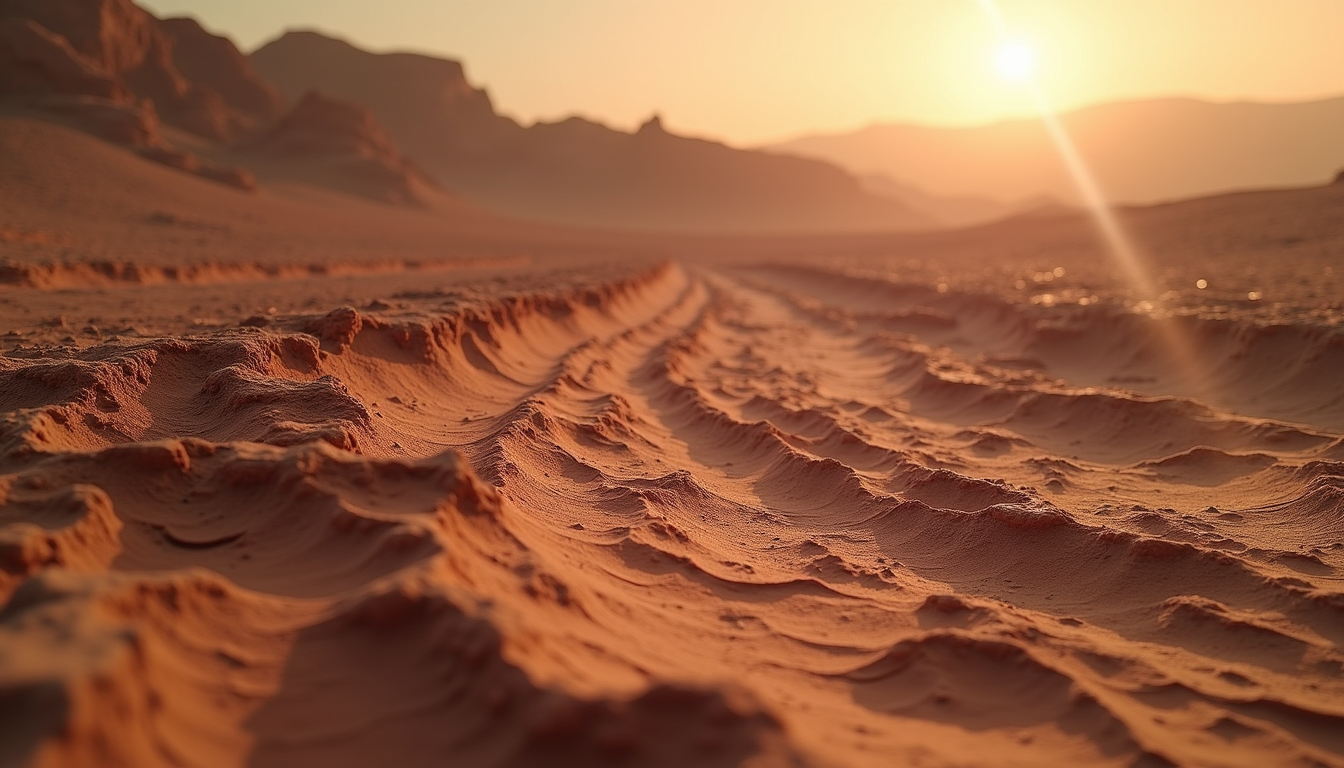
- Tidal Forces: Just as Earth's Moon causes tides in our oceans, a large Martian moon could have created strong tidal forces in Mars’ crust and any ancient oceans or ice layers. These tides might have influenced volcanic activity, erosion, and sediment transport.
- Climate Influence: The gravitational pull of a large moon could have affected Mars’ axial tilt stability, which in turn influences climate patterns. A stable tilt helps maintain consistent seasons, while instability can cause extreme climate shifts.
- Impact on Water Distribution: If Mars had liquid water in its past, tidal forces from a large moon could have helped distribute water across the planet, shaping river valleys and lake beds.
These effects could explain some of the puzzling geological features on Mars, such as the distribution of ancient river channels and sediment deposits.
What Happened to the Larger Moon?
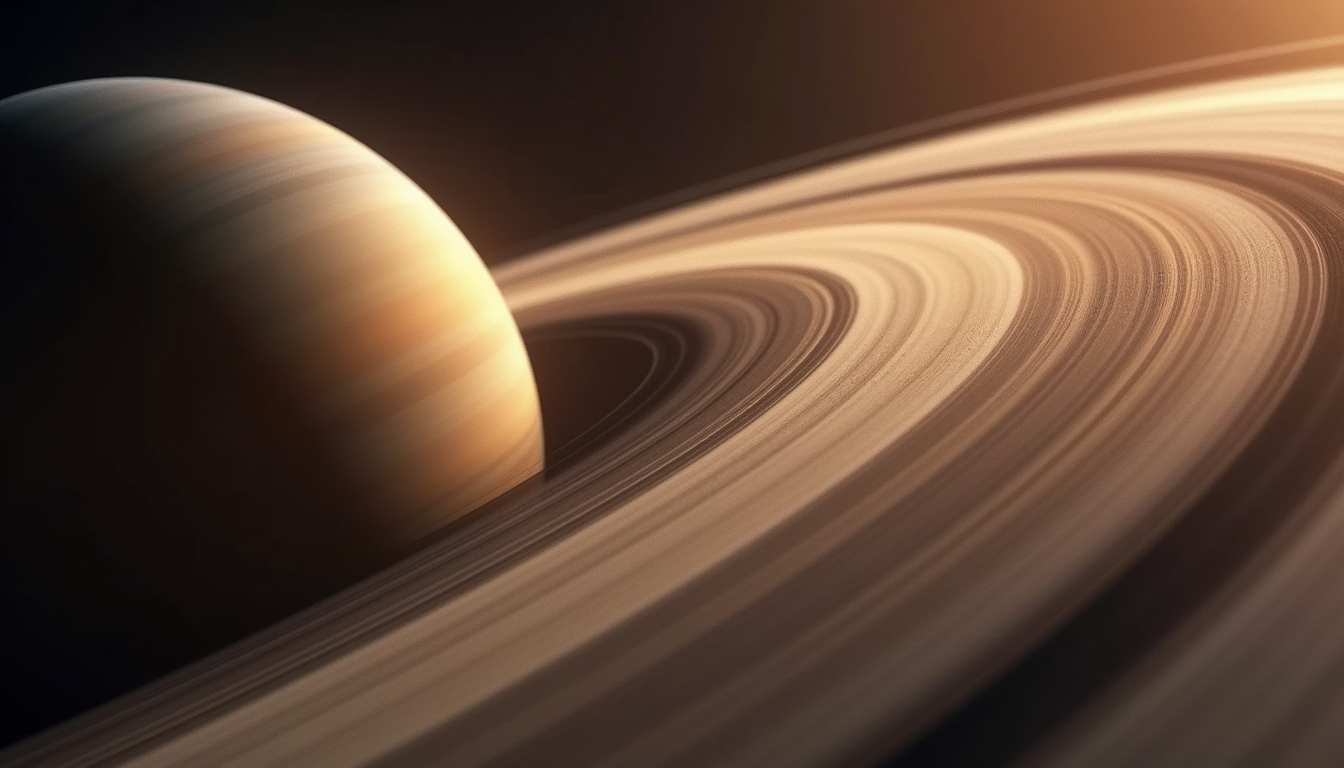
The fate of the hypothesized larger moon likely involved tidal disruption. Mars’ gravity would have pulled on the moon, causing it to stretch and eventually break apart. This process is similar to how Saturn’s rings formed from shattered moons.
The debris from this breakup could have formed a ring around Mars temporarily. Over time, this material coalesced into the smaller moons Phobos and Deimos. This theory fits with the moons’ irregular shapes and close orbits.
Scientists continue to study the orbital mechanics and surface features of Mars and its moons to better understand this process. Future missions to Phobos and Deimos may provide more clues about their origins and the history of Mars’ satellite system.
Why This Matters for Mars Exploration
Understanding whether Mars had a larger moon helps scientists piece together the planet’s history. It sheds light on:
- Mars’ Geological Evolution: The presence of a large moon would have influenced volcanic activity, tectonics, and erosion.
- Past Habitability: Tidal forces could have affected water distribution, which is crucial for life.
- Future Missions: Knowing the history of Mars’ moons helps plan exploration missions, especially those targeting Phobos and Deimos.
This knowledge also helps compare Mars with Earth and other planets, deepening our understanding of how planetary systems develop. April Carson
Havana Syndrome – Active Denial System & Directed Energy Weapons Explained | Mind Control
Ready to elevate your consciousness and expand your mind?
If you're not already a member of the 4BK TV Channel, it's time to join the journey! Immerse yourself in a captivating collection of workshops by Billy Carson on 4bk.tv, covering everything from Remote Viewing and Ancient History to Anomaly Hunting. Don't miss out on the extraordinary – become a member now and unlock a world of limitless possibilities!"
Start your 3-day FREE trial now!