Captivating Beginnings
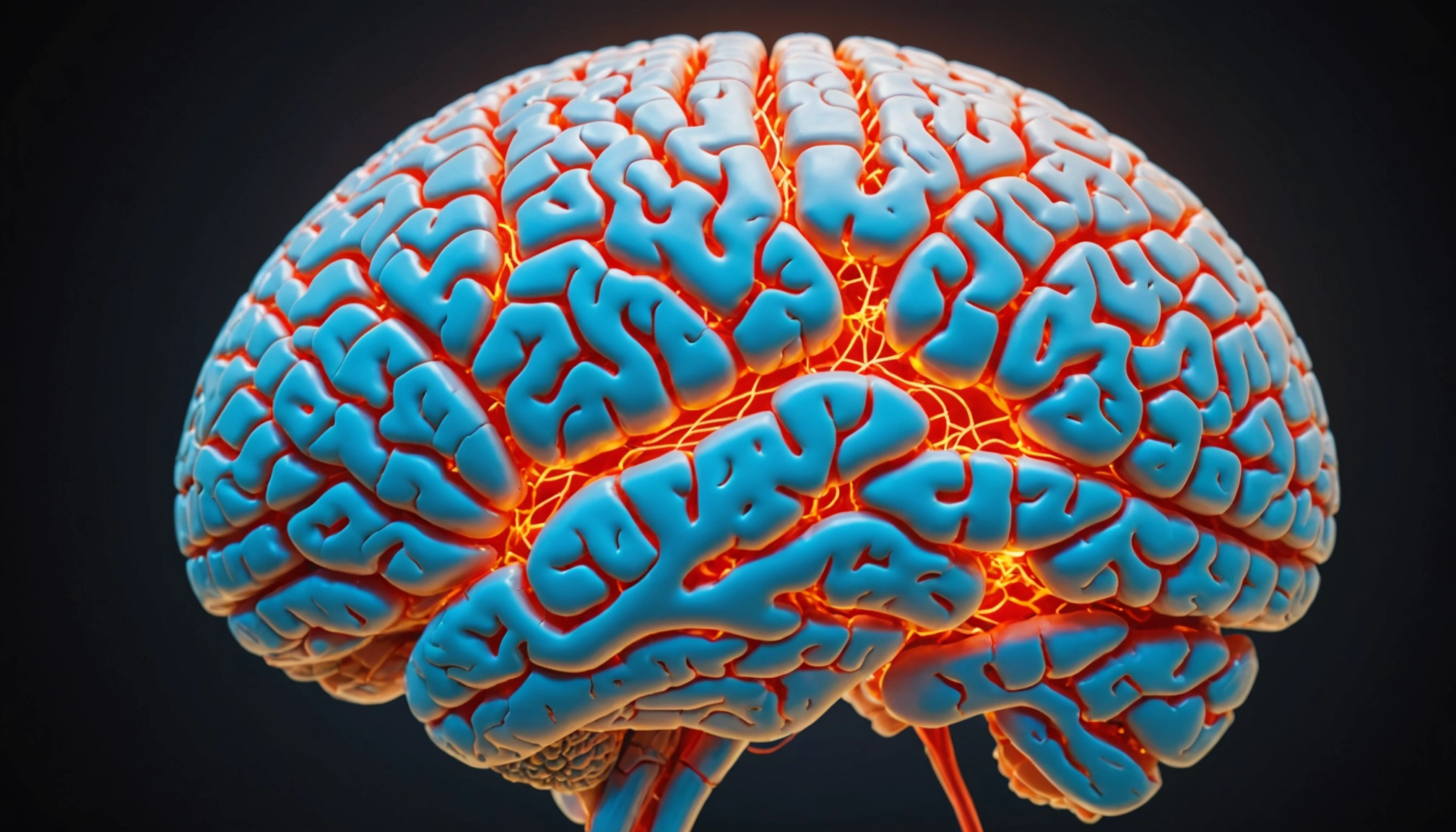
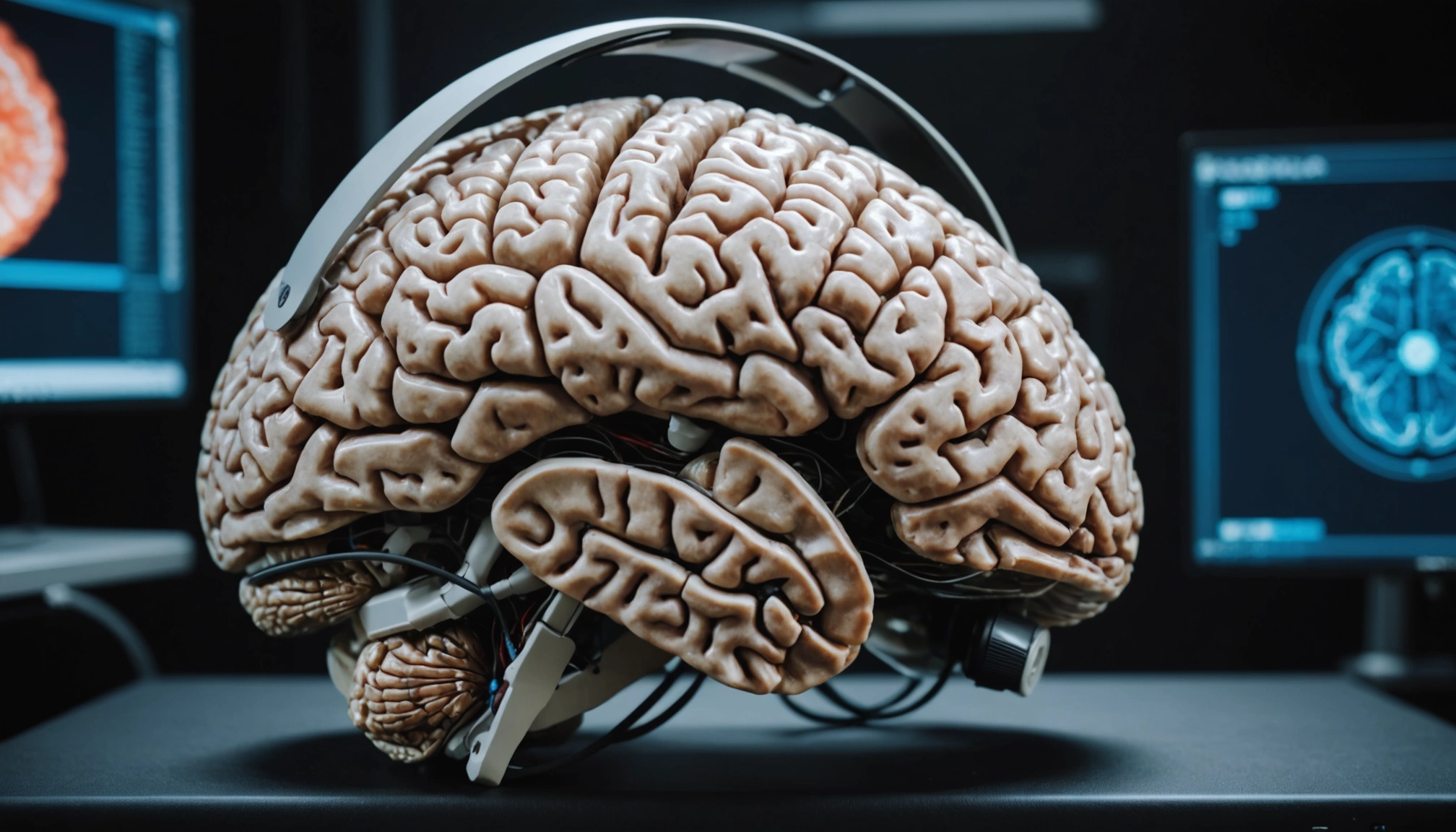
Imagine slipping on a headset and finding yourself in a world far beyond the confines of your surroundings. This is the power of virtual reality (VR). It not only entertains but serves as a groundbreaking tool for researchers exploring the intricacies of the human brain. By immersing individuals in simulated environments, researchers can observe how our minds react to various stimuli. In this blog post, we will explore how VR is transforming our insights into mental health, cognitive functions, and the depth of human experience.
The Intersection of VR and Neuroscience
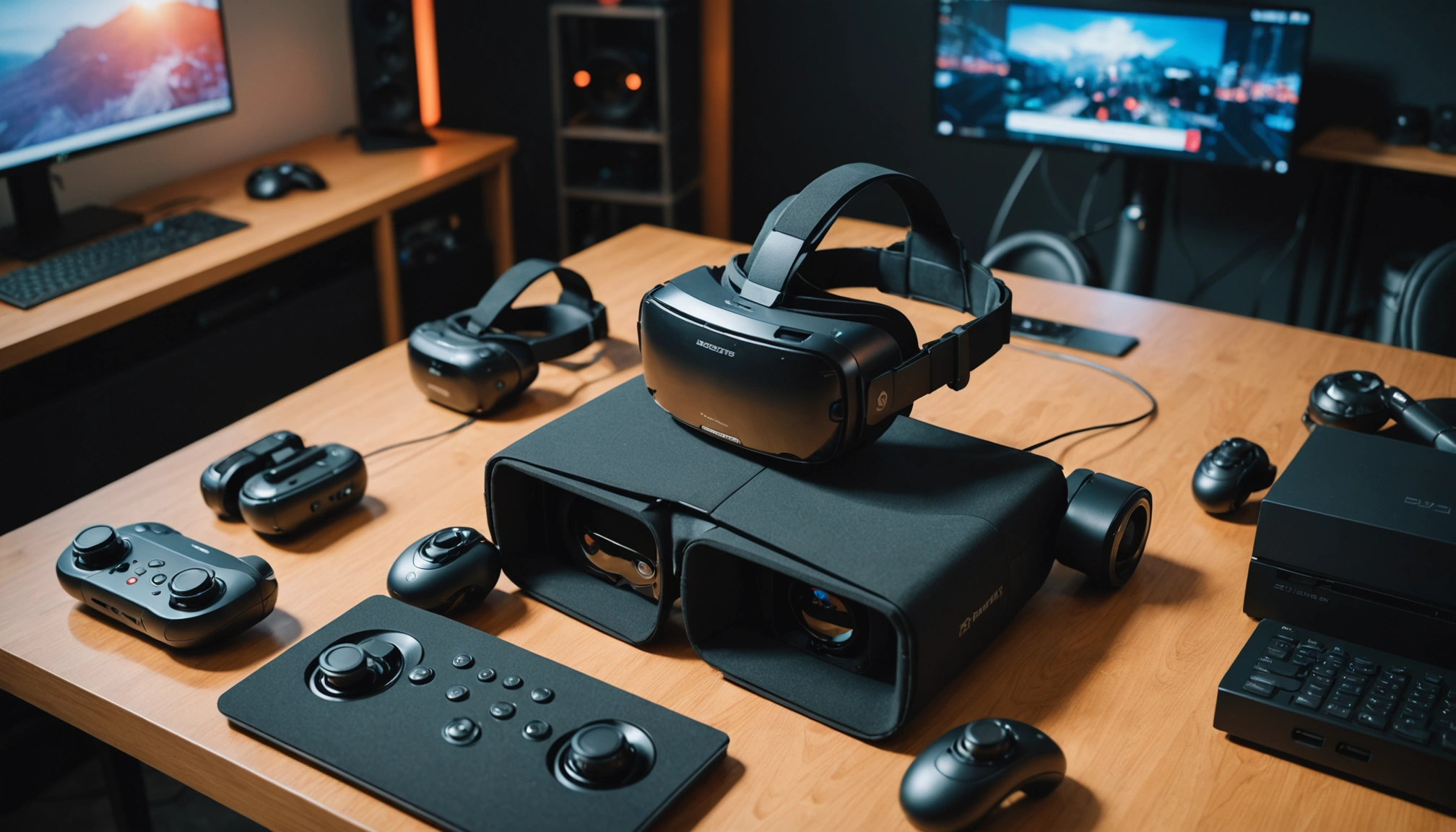
The fusion of virtual reality and neuroscience creates a powerful avenue for investigation. Neuroscience, the study of the brain and nervous system, can greatly benefit from VR technology. Using VR, researchers can create tailored experiments that immerse participants in various scenarios, allowing for in-depth observation of brain responses.
For example, in therapeutic settings, VR has helped individuals confront specific fears. When exposed to a virtual spider, someone with arachnophobia can practice coping mechanisms while feeling as though they’re facing their fear in a safe environment. This kind of exposure therapy has led to a reported 60% decrease in anxiety for many participants.
Understanding Neural Responses
VR plays a crucial role in our comprehension of how the brain processes sensory information. Traditional studies may limit stimuli to specific senses, but VR can engage multiple senses at once. For instance, research shows that participants in VR environments demonstrate up to 40% more brain activation in areas responsible for spatial awareness when compared to viewing similar stimuli on a flat screen.
This engagement offers insight into the brain’s plasticity—the ability to form new connections. By simulating experiences relevant to recovery from strokes or attention disorders, researchers can monitor how different stimuli affect cognitive functions, leading to innovative rehabilitation strategies.
Therapeutic Applications
The therapeutic potential of VR continues to expand, especially in treating mental health disorders. For instance, a 2021 study found that VR exposure therapy is effective in lowering PTSD symptoms by about 90% in some patients. Therapists can create realistic environments that a patient interacts with, gradually helping them face their triggers.
Moreover, VR has shown promise for conditions such as ADHD and Alzheimer’s disease. Engaging, interactive virtual tasks can enhance cognitive function and slow down cognitive decline. Studies suggest that involving participants in VR exercises can improve attention span by as much as 30% in ADHD patients while offering Alzheimer's patients stimulating environments to maintain mental sharpness.
The Neurophysiology Behind VR Experiences
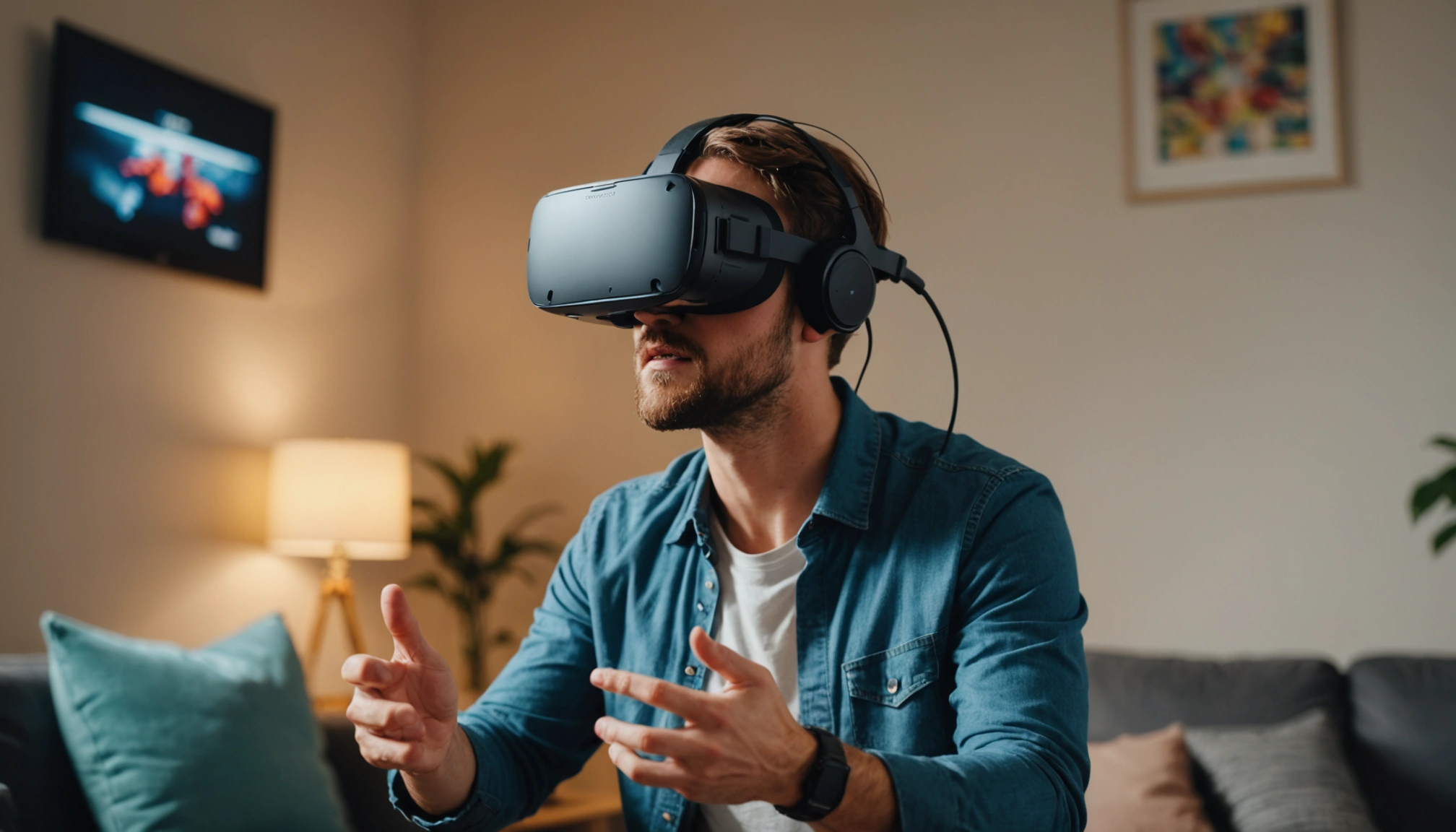
Investigating the neurophysiology of VR experiences uncovers profound insights into its impact. Immersive VR stimulates the brain's reward system, causing the release of neurotransmitters like dopamine, which enhances motivation and learning. A study using fMRI showed that engaging in VR environments significantly alters brain activity, which can help us understand how memory and perception are formed.
The mapping of brain responses in VR settings adds to our knowledge and informs the design of VR applications for education, rehabilitation, and even entertainment. It underscores how VR can enhance learning by making the experience more interactive and engaging.
Potential Concerns and Ethical Considerations
Despite the promise of VR, there are important concerns and ethical aspects to consider. Researchers must be attentive to the potential psychological effects of intensive experiences. For instance, repeated exposure to distressing VR scenarios could worsen anxiety or exacerbate PTSD symptoms.
As VR technology advances, it blurs the lines between reality and simulation. This raises ethical questions about informed consent and the responsibilities of those developing VR experiences. It is vital to establish clear guidelines to ensure the safety and well-being of participants.
Responsible discussions regarding ethical practices in VR research must continue as technology evolves. This will help maximize VR's advantages while safeguarding individuals' mental health.
The Future of VR in Neuroscience
The integration of virtual reality and neuroscience offers a promising avenue for expanding our understanding of the human brain. Controlled VR experiences allow researchers to gain significant insights into cognition, emotions, and therapeutic strategies. As this technology advances, collaboration between scientists and developers will be essential to ensure its responsible use.
The journey into virtual realities is just the beginning; the real progress lies in how we utilize these insights to enhance mental health, cognitive growth, and our overall quality of life.
 April Carson

Ready to elevate your consciousness and expand your mind?
If you're not already a member of the 4BK TV Channel, it's time to join the journey! Immerse yourself in a captivating collection of workshops by Billy Carson on 4bk.tv, covering everything from Remote Viewing and Ancient History to Anomaly Hunting. Don't miss out on the extraordinary – become a member now and unlock a world of limitless possibilities!"
Start your 3-day FREE trial now!