By: April Carson
Microglia, the brain's resident immune cells, play a pivotal role in maintaining neural health by combating pathogens, clearing cellular debris, and supporting neuronal connections. However, emerging research indicates that when these cells malfunction, they may contribute to neurodegenerative diseases such as Alzheimer's. Understanding and preventing this dysfunction could pave the way for novel therapeutic strategies.
Microglia: The Brain's Guardians
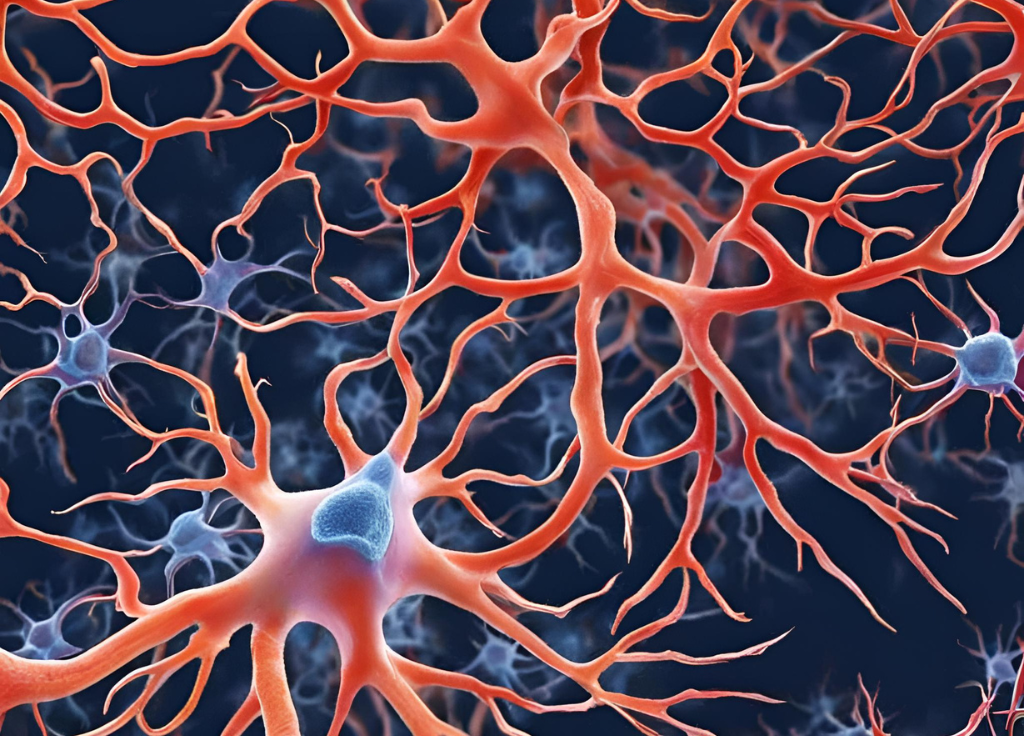
Microglia are specialized immune cells that serve as the central nervous system's first line of defense. They continuously monitor the brain's environment, responding to injury and infection by engulfing pathogens and clearing dead cells. Additionally, microglia release signaling molecules that modulate inflammation and influence neuronal health.
When Microglia Go Rogue
While microglia are essential for brain health, their prolonged activation can be detrimental. Chronic activation leads to the release of pro-inflammatory cytokines and reactive oxygen species, which can damage neurons and disrupt synaptic function. This sustained inflammatory state is implicated in the progression of neurodegenerative diseases.
A study published in Nature Neuroscience in March 2024 by Dr. Katrin Andreasson and her team at Stanford University explored the role of TREM1, a protein that amplifies inflammatory responses in myeloid cells, in Alzheimer's disease and aging brains.
Their findings suggest that TREM1 activation in microglia contributes to neuroinflammation and neuronal damage, highlighting the delicate balance these cells must maintain.
Microglia and Alzheimer's Disease
In Alzheimer's disease, microglia are found near amyloid-beta plaques, a hallmark of the condition. Initially, they attempt to clear these toxic aggregates. However, persistent exposure can overwhelm microglia, leading to a shift from protective to harmful behavior. This transition exacerbates neuronal damage and accelerates disease progression.
Dr. Yadong Huang, a senior investigator at the Gladstone Institutes, emphasized the significance of microglia in Alzheimer's pathology: "Our findings suggest that drugs reducing microglia may eventually be useful in treating the disease."
Potential Therapeutic Approaches
Targeting microglial dysfunction offers a promising avenue for Alzheimer's treatment.
Strategies under investigation include:
- Modulating Microglial Activation: Developing therapies that prevent chronic activation while preserving essential functions.
- Enhancing Clearance Mechanisms: Boosting microglia's ability to remove amyloid-beta and other toxic substances.
- Inhibiting Pro-inflammatory Pathways: Blocking specific signaling pathways that lead to harmful inflammation.
A study published in Science Translational Medicine in April 2024 demonstrated that an antibody treatment blocking the interaction between APOE proteins and LILRB4 receptors in the brain enabled microglia to clear amyloid plaques more effectively. This approach reduced pathological features associated with Alzheimer's in mouse models, offering hope for future human therapies.
Microglia are indispensable for brain health, but their malfunction can contribute to neurodegenerative diseases like Alzheimer's. Ongoing research aims to understand the mechanisms behind microglial dysfunction and develop interventions to restore their protective roles. By preventing microglia from going rogue, we may unlock new treatments for Alzheimer's and other brain conditions.
References:
- Andreasson, K., et al. (2024). "Research links age-related inflammation, microglia and Alzheimer’s disease." Nature Neuroscience.
- Huang, Y., et al. (2024). "Brain immune cells amplify damage caused by Alzheimer's risk gene, study finds." Cell Stem Cell.
- Bertagnolli, M. M. (2024). "Study Suggests Treatments that Unleash Immune Cells in the Brain Could Help Combat Alzheimer’s." Science Translational Medicine.
Is Religion Part of the Reptilian Agenda?
Ready to elevate your consciousness and expand your mind?
If you're not already a member of the 4BK TV Channel, it's time to join the journey! Immerse yourself in a captivating collection of workshops by Billy Carson on 4bk.tv, covering everything from Remote Viewing and Ancient History to Anomaly Hunting. Don't miss out on the extraordinary – become a member now and unlock a world of limitless possibilities!"
Start your 3-day FREE trial now!