By: April Carson
Advancements in reperfusion technologies are challenging traditional notions of death, suggesting it may become a reversible condition even hours after cardiac arrest. Recent studies have demonstrated the potential to restore cellular functions in the brain post-mortem, opening new avenues for medical intervention.
Understanding Reperfusion Technologies
Reperfusion involves restoring blood flow to tissues deprived of oxygen due to events like cardiac arrest or stroke. Timely reperfusion is crucial to prevent irreversible damage. Innovations in this field aim to extend the window for successful resuscitation, thereby reducing long-term neurological deficits.
Reanimating the Brain After Death
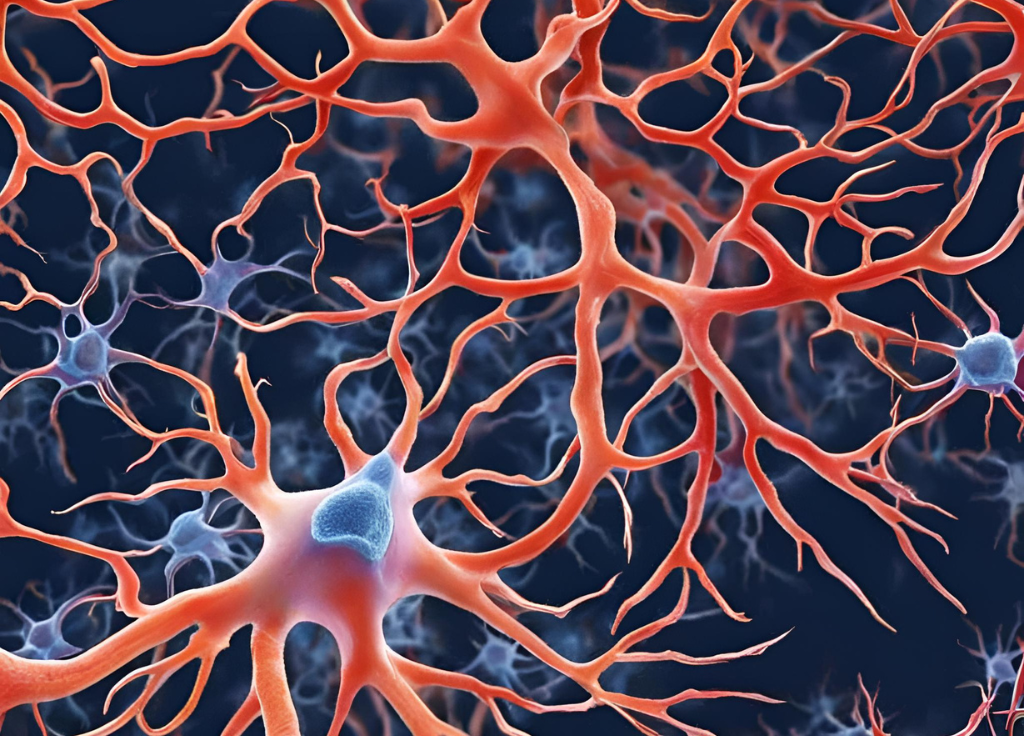
A groundbreaking study published in Nature in 2019 introduced 'BrainEx,' a system that restored circulation and some cellular functions in pig brains hours after death. This research indicated that cell death is a gradual process, and certain cellular functions can be postponed, preserved, or even reversed.
Building on this, a 2024 study by Chinese researchers achieved similar results using a novel perfusion system that incorporated an intact liver into the life support setup. This method maintained brain activity in pigs for extended periods post-mortem, suggesting potential applications in human resuscitation.
Implications for Human Resuscitation
These advancements imply that with appropriate interventions, it might be possible to revive brain function after prolonged periods without oxygen. Such techniques could revolutionize treatments for conditions like sudden cardiac arrest, where rapid restoration of blood flow is critical to prevent brain damage.
Ethical Considerations
The possibility of reversing death raises profound ethical questions. Defining the exact moment of death becomes complex, impacting organ donation protocols and end-of-life care decisions. Ongoing ethical discourse is essential to navigate these challenges responsibly.
Future Directions
While current research is promising, translating these findings into clinical practice requires extensive studies to ensure safety and efficacy. Developing portable and reliable reperfusion devices could make these treatments more accessible in emergency settings, potentially saving countless lives.
Reperfusion technologies are redefining our understanding of death, offering hope for new resuscitation methods. As science progresses, it is crucial to balance innovation with ethical considerations to ensure these advancements benefit society as a whole.
References:
- Vrselja, Z., et al. (2019). Restoration of brain circulation and cellular functions hours post-mortem. Nature.
- HuffPost España. (2024, October 24). Científicos logran "resucitar" un cerebro una hora después de la muerte.
- Koch, C. (2019, October 1). Is Death Reversible? Scientific American.
- The Scottish Sun. (2024, October 23). Pig's brain back to life an hour after animal had died in eerie experiment.
The Age of Aquarius: Humanity’s Awakening or Ultimate Test?

Ready to elevate your consciousness and expand your mind?
If you're not already a member of the 4BK TV Channel, it's time to join the journey! Immerse yourself in a captivating collection of workshops by Billy Carson on 4bk.tv, covering everything from Remote Viewing and Ancient History to Anomaly Hunting. Don't miss out on the extraordinary – become a member now and unlock a world of limitless possibilities!"
Start your 3-day FREE trial now!