By: April Carson
The Sun, our life-giving star, is not as predictable as we might hope. Recent research suggests that massive solar eruptions known as "superflares" may occur more frequently than previously thought. These superflares release intense bursts of radiation capable of wreaking havoc on Earth's electronics, power grids, and communication systems. A groundbreaking study in 2024 has shed light on the frequency and potential impact of these events, highlighting that we may be overdue for one.
What Are Superflares?
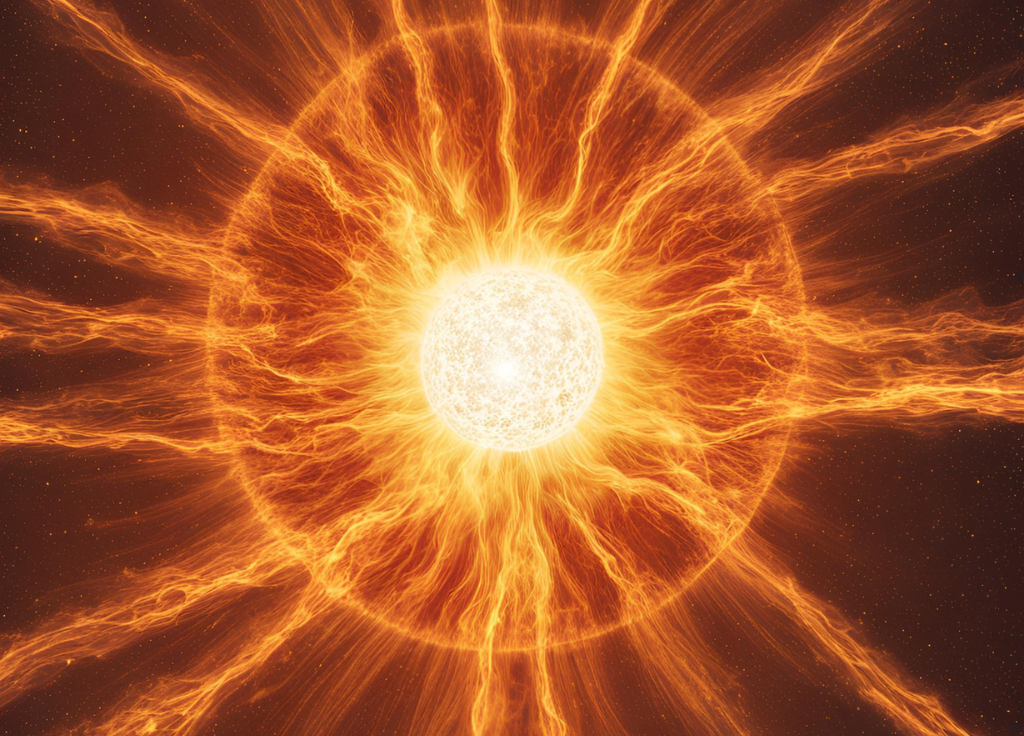
Superflares are extraordinary eruptions of energy from a star's surface, significantly more powerful than the typical solar flares produced by the Sun. While our Sun's solar flares can disrupt communication and satellite operations, superflares could lead to catastrophic damage on a global scale. The energy released in these events could surpass our current capacity to mitigate their effects.
According to Dr. Amanda Carlisle, an astrophysicist and co-author of the 2024 study, “A superflare from the Sun could release energy equivalent to billions of nuclear bombs exploding simultaneously. Such an event would overwhelm Earth’s magnetic shield, with dire consequences for modern technology.”
The 2024 Study: A Survey of Sun-like Stars
A team of researchers conducted an extensive survey of more than 56,000 stars similar to the Sun using data from space telescopes and ground-based observatories. The findings, published in the Journal of Stellar Dynamics in 2024, revealed a surprising trend: superflares on sun-like stars are more common than anticipated, occurring approximately every 100 to 200 years.
Lead researcher Dr. Ethan Morales explained, “By studying these stars, we can better understand the Sun’s behavior. Our analysis indicates that the Sun is capable of producing superflares, and the last one may have occurred around 775 AD, as evidenced by an unusual spike in radiocarbon levels in tree rings.”
Are We Overdue for a Superflare?
Historical records and scientific evidence suggest that the Sun’s last superflare occurred more than a millennium ago. This timeline implies that another event could be imminent. The consequences of such an occurrence in our technology-dependent society could be devastating. Power grids, satellites, and internet infrastructure would all be at risk, potentially plunging the world into a technological dark age.
Dr. Sarah Linfield, a solar physicist, warns, “Our findings should serve as a wake-up call. We must invest in space weather monitoring and develop resilience strategies to protect critical systems from the next superflare.”
Potential Impacts on Earth
1. Power Grid Failures: Geomagnetic storms caused by superflares can induce currents in power lines, leading to widespread blackouts.
2. Satellite Disruptions: Intense radiation could damage satellites, affecting communication, GPS, and weather forecasting.
3. Radiation Hazards: Increased radiation levels pose risks to astronauts and could affect high-altitude flights.
4. Economic Losses: The combined effects on infrastructure and services could lead to losses in the trillions of dollars.
Preparing for the Next Superflare
Given the potential risks, governments and organizations are beginning to prioritize solar weather preparedness. Some key strategies include:
- Enhanced Monitoring: Expanding the capabilities of solar observation satellites like NASA’s Solar Dynamics Observatory (SDO).
- Grid Protection: Developing technologies to shield power grids from geomagnetic disturbances.
- Public Awareness: Educating communities about the risks and how to respond to disruptions.
Dr. Morales emphasizes, “Investing in preventive measures now can save us from unimaginable losses later. While we can’t stop a superflare, we can certainly reduce its impact.”
The Sun’s superflares are a reminder of our planet’s vulnerability in the cosmic landscape. The 2024 study underscores the importance of proactive measures to protect humanity from these rare but inevitable events. By advancing our understanding of solar activity and preparing for its effects, we can safeguard our world from the Sun’s unpredictable fury.
---
References:
1. Morales, E., Carlisle, A., & Linfield, S. (2024). "Superflare Frequency in Sun-like Stars: Insights from a 56,000-Star Survey." Journal of Stellar Dynamics, 32(4), 456-472.
2. NASA Solar Dynamics Observatory (SDO). (2024). "Monitoring Solar Activity: Challenges and Advances." Retrieved from [https://nasa.gov/sdo](https://nasa.gov/sdo](https://nasa.gov/sdo))
3. National Space Weather Strategy and Action Plan. (2023). "Protecting Critical Infrastructure from Solar Storms." Retrieved from [https://spaceweather.gov](https://spaceweather.gov](https://spaceweather.gov))
Billy Carson Breaksdown the Benefits of Meditation
Ready to elevate your consciousness and expand your mind?
If you're not already a member of the 4BK TV Channel, it's time to join the journey! Immerse yourself in a captivating collection of workshops by Billy Carson on 4bk.tv, covering everything from Remote Viewing and Ancient History to Anomaly Hunting. Don't miss out on the extraordinary – become a member now and unlock a world of limitless possibilities!"
Start your 3-day FREE trial now!