By: April Carson
The line between human thought and machine interaction is blurring faster than ever, thanks to the advancements in Brain-Computer Interfaces (BCIs). As we move deeper into the digital age, BCIs promise to revolutionize everything from healthcare to communication, offering new ways for humans to interact with technology. But as with any groundbreaking innovation, BCIs come with both immense potential and significant ethical concerns.
What Are Brain-Computer Interfaces?
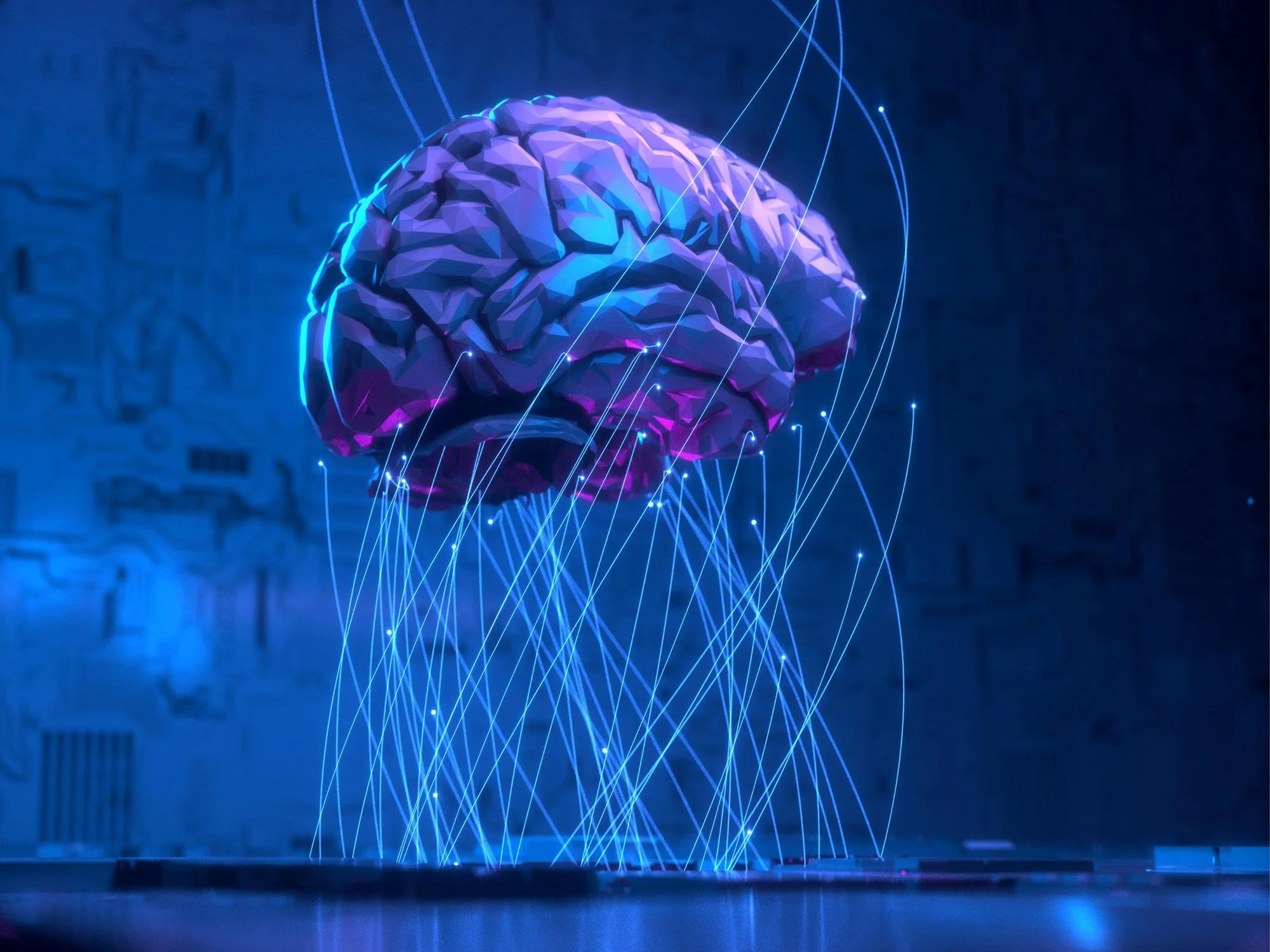
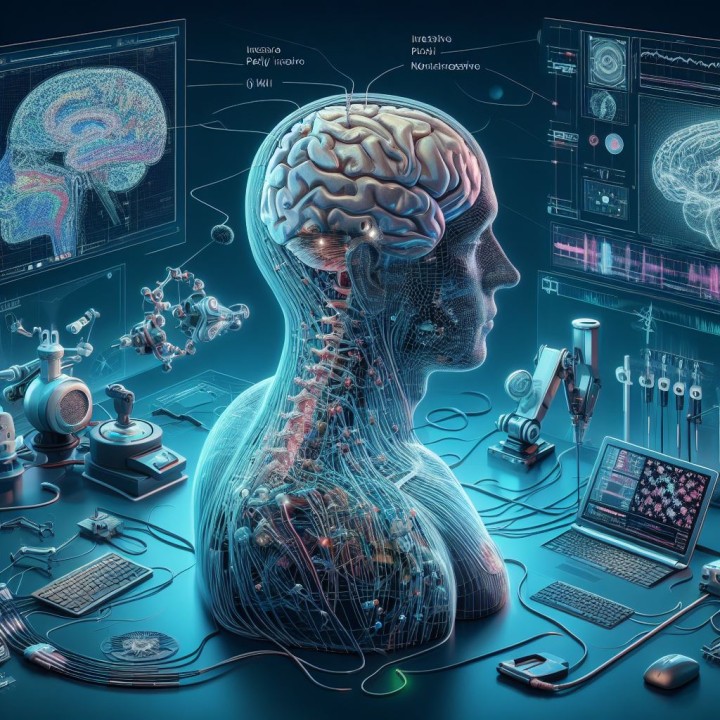
Brain-Computer Interfaces are systems that create a direct communication pathway between the brain and an external device, usually a computer. These interfaces work by capturing neural signals through electrodes, which are then decoded and translated into commands that the computer can execute. This allows users to control devices, such as prosthetic limbs or even computers, using only their thoughts.
The Science Behind BCIs
One of the leading figures in BCI research is Dr. Miguel Nicolelis, a pioneer in neuroprosthetics. His work has demonstrated the potential for BCIs to restore mobility to patients with paralysis. In a landmark study, Nicolelis and his team successfully enabled a quadriplegic man to control a robotic arm using his brain signals, allowing him to drink coffee without assistance. This was a significant breakthrough, showing that BCIs could translate complex neural signals into physical actions with precision.
Recent studies have also expanded the scope of BCIs beyond physical rehabilitation. For example, a study published in Nature Neuroscience in 2023 by researchers at Stanford University explored the potential of BCIs for communication in patients with Locked-In Syndrome. By decoding neural signals associated with speech, the researchers enabled patients to communicate at unprecedented speeds, reaching up to 62 words per minute. This not only opens up new possibilities for those with severe disabilities but also paves the way for advancements in neurocommunication technologies.
Ethical and Privacy Concerns
While the potential benefits of BCIs are vast, they also raise significant ethical concerns. Dr. Nita Farahany, a bioethicist and professor at Duke University, has warned about the implications of BCIs for privacy and autonomy. As BCIs become more sophisticated, the ability to decode and interpret thoughts could lead to invasive surveillance practices, where individuals' inner thoughts are no longer private.
In a recent article in The Journal of Ethics, Farahany argues that the development of BCIs should be accompanied by strict regulations to protect users' cognitive liberty—the right to privacy over one’s mental processes. Without such protections, the widespread adoption of BCIs could lead to a dystopian future where thoughts are monitored and controlled by external entities.
The Road Ahead
The future of BCIs is both exciting and uncertain. On the one hand, they offer revolutionary solutions for medical rehabilitation, communication, and even human enhancement. On the other hand, they pose profound ethical challenges that society must address before these technologies become mainstream.
As researchers continue to push the boundaries of what BCIs can achieve, it is crucial for society to engage in ongoing discussions about the ethical implications of these technologies. By doing so, we can ensure that the development of BCIs benefits humanity as a whole, rather than becoming a tool for control or exploitation.
The journey toward integrating human thought with machine interaction is just beginning, and it’s up to us to navigate this path with both enthusiasm and caution. As we move forward, the lessons we learn from pioneers like Dr. Nicolelis and Dr. Farahany will be invaluable in shaping a future where BCIs enhance, rather than diminish, our humanity.
Consciousness and the Holographic Brain by Billy Carson
🌟 Exciting Investment Opportunity with 4biddenknowledge Inc.! 🌟
Ever dreamt of being part owner of a groundbreaking company that explores the mysteries of ancient civilizations, delves into esoteric wisdom, and unlocks the secrets of metaphysics and quantum physics? Look no further than 4biddenknowledge Inc.!
💡 Why Invest? By investing in 4biddenknowledge, you're not just putting your money into a venture; you're becoming a key player in the exploration of the extraordinary. Our content, spanning ancient civilizations to the depths of quantum physics, is reshaping perspectives globally. As an investor, you'll be part of this transformative journey.
🚀 How to Invest: Ready to take the plunge into a realm of endless possibilities? Click the link https://4bidden.trucrowd.com/ to invest now. Your contribution will not only support our growth but also grant you a stake in the future of knowledge and enlightenment.
🌟 Let's Shape the Future Together! Embark on this exciting journey with us. Invest in 4biddenknowledge Inc. and be a part of a movement that transcends time and space. Together, we're unlocking the secrets of the universe and shaping a brighter, more enlightened future.

Ready to elevate your consciousness and expand your mind?
If you're not already a member of the 4BK TV Channel, it's time to join the journey! Immerse yourself in a captivating collection of workshops by Billy Carson on 4bk.tv, covering everything from Remote Viewing and Ancient History to Anomaly Hunting. Don't miss out on the extraordinary – become a member now and unlock a world of limitless possibilities!"
Start your 3-day FREE trial now!

ORDER YOUR BOOK TODAY!