The search for alien life has moved beyond science fiction into serious scientific inquiry. From detecting unusual gases in distant exoplanet atmospheres to analyzing ancient mudstones on Mars, tentative signs of extraterrestrial life are appearing more frequently. But spotting a hint is very different from confirming a discovery. How will scientists know for sure when they have found life beyond Earth?
Signs That Suggest Life May Exist
Scientists look for specific clues that could indicate life. These include:
- Biosignatures: Chemical or physical markers that life produces. For example, methane in a planet’s atmosphere can be a biosignature because on Earth, much methane comes from living organisms.
- Microfossils: Tiny fossilized remains of ancient microorganisms, like those found in some Earth rocks billions of years old.
- Organic molecules: Complex carbon-based molecules that are building blocks of life.
- Environmental conditions: Places with liquid water, energy sources, and suitable temperatures increase the chances life could exist.
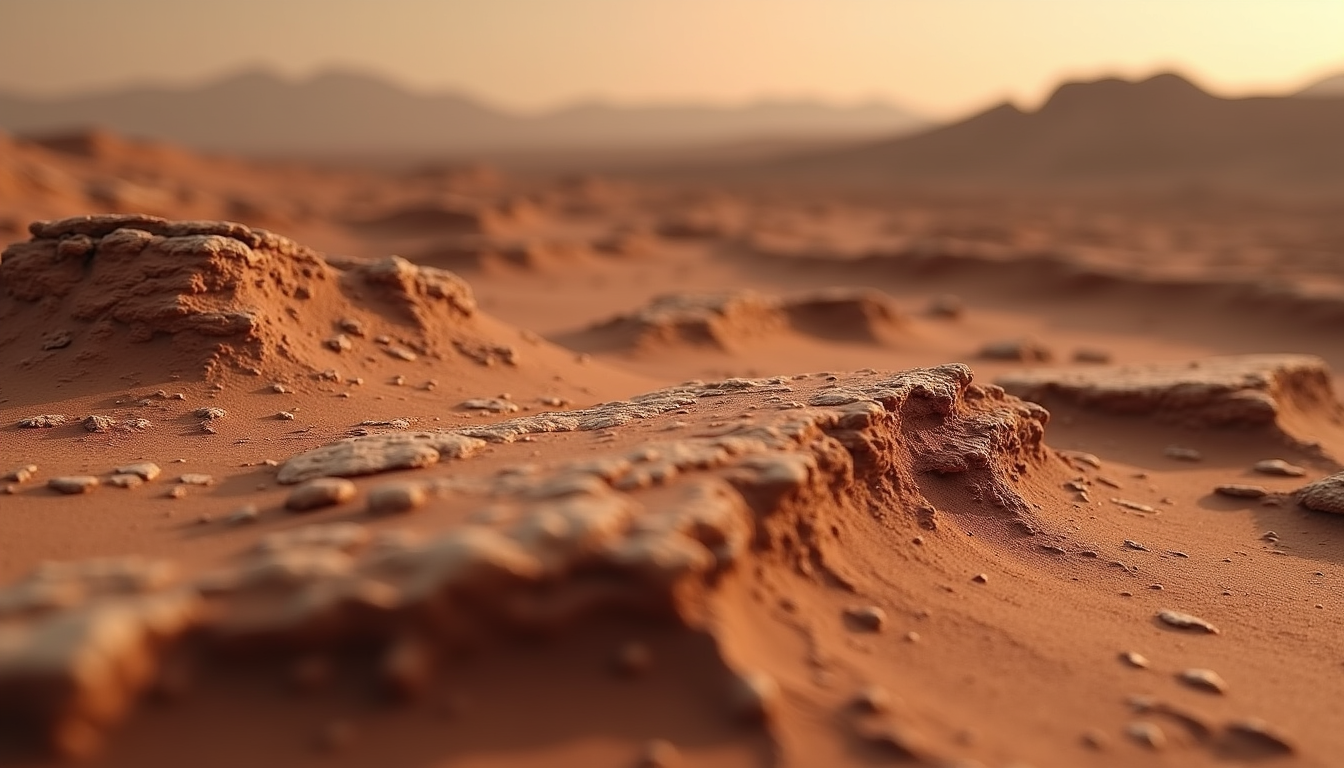
Mars has shown promise because of its ancient mudstones, which may preserve signs of past microbial life. Similarly, telescopes have detected gases like oxygen and methane in the atmospheres of exoplanets, which could hint at biological activity.
Challenges in Confirming Alien Life
Finding a potential biosignature is only the first step. Confirming alien life requires overcoming several challenges:
- False positives: Many chemical signatures can be produced by non-biological processes. For example, methane can come from volcanic activity.
- Contamination: Earth microbes could accidentally contaminate samples, leading to misleading results.
- Limited data: Remote sensing from telescopes or rovers provides limited information compared to direct sampling.
- Ambiguity: Some signs may be ambiguous and open to multiple interpretations.
Because of these challenges, scientists use multiple lines of evidence before declaring a discovery.
Steps to Confirm Life Beyond Earth
To confidently confirm alien life, researchers follow a rigorous process:
1. Detect Multiple Biosignatures
Finding just one potential sign is not enough. Scientists look for a combination of biosignatures that together make a strong case. For example, detecting oxygen and methane together in an exoplanet’s atmosphere is more compelling because these gases tend to react and would not coexist in large amounts without continuous replenishment by life.
2. Rule Out Non-Biological Sources
Scientists carefully analyze whether geological or chemical processes could explain the findings. This involves laboratory experiments, computer models, and studying Earth analogs to understand how non-living processes might mimic life’s signatures.
3. Obtain Direct Samples When Possible
Sample return missions, like those planned for Mars, allow scientists to study material in Earth laboratories with advanced instruments. This provides more detailed analysis and reduces ambiguity.
4. Peer Review and Independent Verification
Any claim of alien life undergoes intense scrutiny by the scientific community. Independent teams try to replicate findings or analyze data differently to confirm results.
5. Transparent Communication
Scientists communicate findings clearly and cautiously to avoid premature conclusions. They explain uncertainties and the need for further study.
Examples of Tentative Evidence
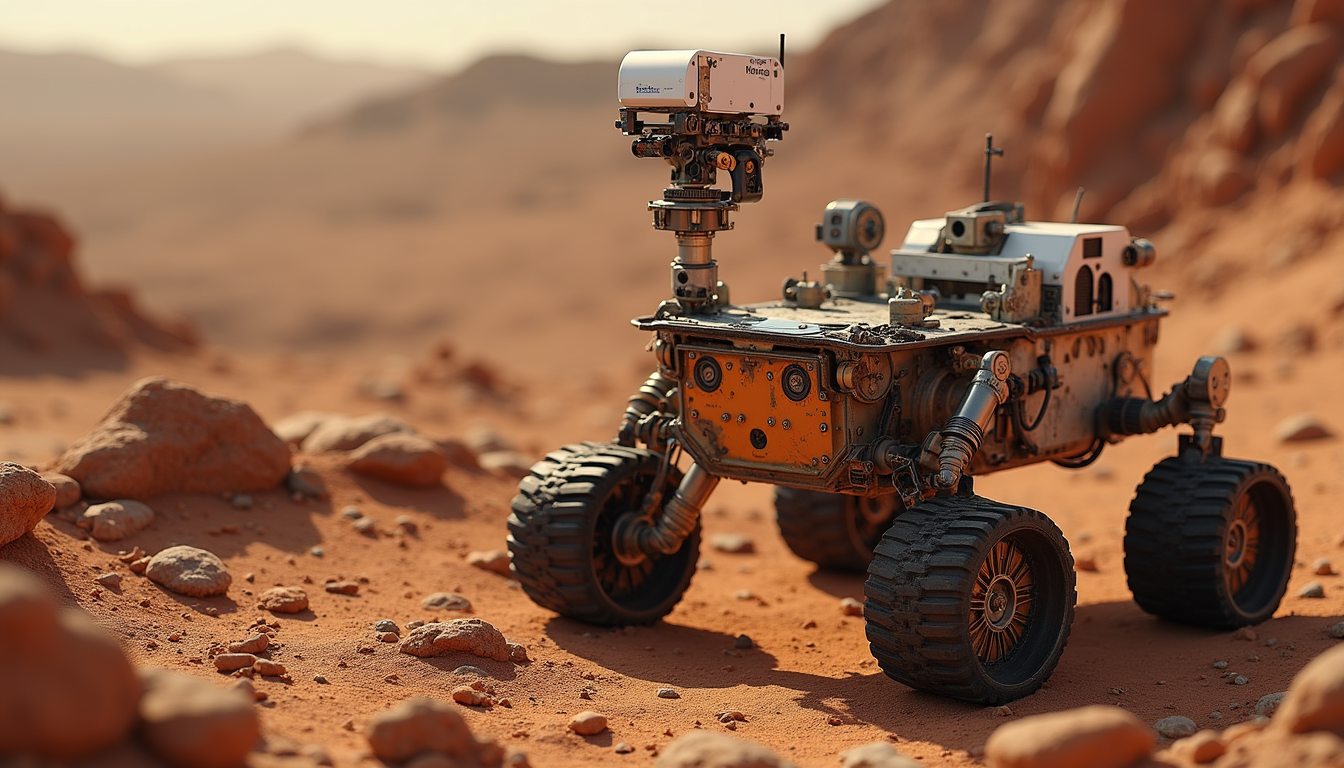
- Mars Mudstones: NASA’s Curiosity rover found organic molecules in ancient mudstones. These molecules could be remnants of past life or formed through non-biological processes.
- Venus Atmosphere: In 2020, researchers reported detecting phosphine gas in Venus’s clouds, a gas linked to life on Earth. This finding is debated and requires more data.
- Exoplanet Atmospheres: Telescopes like the James Webb Space Telescope analyze atmospheres for gases like water vapor, oxygen, and methane, which could indicate life.
What Happens After Confirmation?
If scientists confirm alien life, it would be one of the most profound discoveries in history. It would reshape our understanding of biology, evolution, and our place in the universe. The discovery would also raise new questions:
- What kind of life exists? Microbial or complex organisms?
- How did life originate elsewhere?
- Could life be widespread or rare?
Future missions would focus on studying alien life in detail and searching for signs of intelligence. April Carson
This Is Not a Drill: Trump Claims the U.S. Is Now Running Venezuela
Ready to elevate your consciousness and expand your mind?
If you're not already a member of the 4BK TV Channel, it's time to join the journey! Immerse yourself in a captivating collection of workshops by Billy Carson on 4bk.tv, covering everything from Remote Viewing and Ancient History to Anomaly Hunting. Don't miss out on the extraordinary – become a member now and unlock a world of limitless possibilities!"
Start your 3-day FREE trial now!