Biohacking is the practice of making deliberate, measurable changes to your sleep, food, movement, environment and mind in order to improve how your body and brain perform. Strip away the gadgets and the marketing and the version the evidence supports comes down to five habits: consistent sleep, regular exercise, a defined eating window, controlled exposure to heat and cold, and a daily breathing or meditation practice. Everything else, from glucose monitors to nootropic stacks, is either a way of measuring those five or a bet on much thinner data.
The term carries a lot of noise. A beginner searching for biohacking meets a wall of supplement stacks, expensive wearables and influencers promising to reverse their biological age. This guide ranks the five habits by evidence, names the studies people cite, and says where the science is thin. It sits in the [biohacking topic hub](/topics/biohacking), which collects the site's coverage of sleep, longevity and performance.
Where the word biohacking comes from
Biohacking as a label dates to the late 2000s, when the quantified-self movement and a handful of entrepreneurs began applying the language of software hacking to the human body. The writers Gary Wolf and Kevin Kelly started the Quantified Self meetups in 2007, built on the idea that self-tracking turns personal health into a series of experiments. Dave Asprey, a former technology executive, built the Bulletproof brand in the early 2010s, popularised butter-and-oil coffee and began calling himself a biohacker. The useful core survives the hype: biohacking, for a beginner, is the habit of changing one variable at a time, measuring the result, and keeping what works.
Habit one: sleep, and why consistency matters more than tricks
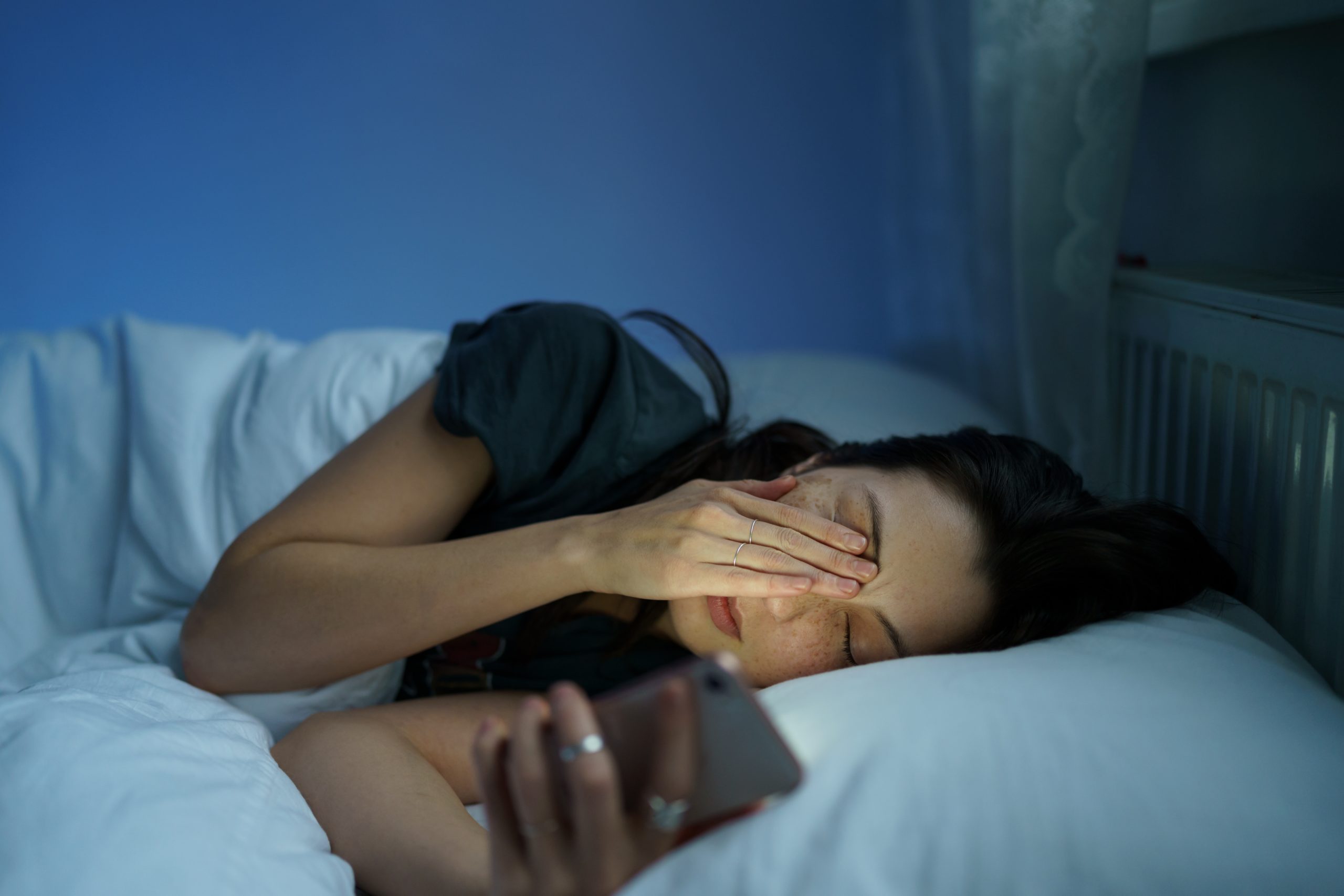
The best-supported biohack is also the least glamorous: sleep seven to nine hours a night, at roughly the same times, with bright light in the morning and dim light at night. That range is the consensus recommendation from sleep-medicine bodies and the one neuroscientist Matthew Walker builds his 2017 book Why We Sleep around.
The consistency point has stronger recent data behind it than the duration point. An analysis of UK Biobank wrist-sensor data, published in the journal Sleep by Windred and colleagues in 2024, found that the regularity of a person's sleep timing predicted mortality risk more strongly than how long they slept. The site's summary of that finding is in [the post on irregular sleep and seven-year mortality risk](/lack-of-regular-sleep-associated-with-elevated-risk-of-death-within-7-years). Observational data cannot prove that fixing your bedtime extends your life, but it moves a regular schedule from folk advice to a measured association.
Light is the lever that sets the schedule. The 2017 Nobel Prize in Physiology or Medicine went to Jeffrey Hall, Michael Rosbash and Michael Young for identifying the molecular clock that runs a roughly 24-hour cycle inside cells, work done first in fruit flies. That clock is synchronised mainly by light reaching the eyes, which is why morning daylight and late-evening screens push it in opposite directions. Getting outside within an hour of waking and keeping the bedroom dark is the most evidence-backed intervention on this list.
Habit two: exercise, the strongest evidence of anything
If biohacking were ranked purely by the weight of evidence, exercise would be the only entry. Decades of cohort studies and randomised trials link regular physical activity to lower all-cause mortality, better cardiovascular and metabolic markers, and better mood and cognition, with effect sizes no supplement or gadget approaches. The World Health Organization's 2020 guidelines set the floor at 150 to 300 minutes of moderate aerobic activity per week plus muscle-strengthening work on two or more days.
Two forms have become biohacking staples for good reason. Zone-2 training is steady aerobic work at an intensity where you can still hold a conversation, sustained for 45 minutes or more; it builds aerobic capacity with little recovery cost. Resistance training is the intervention most reliably shown to preserve muscle and strength into old age, with its own association with lower mortality in large cohorts. Neither requires more than a pair of shoes and something heavy.
Habit three: time-restricted eating and what the trials actually show
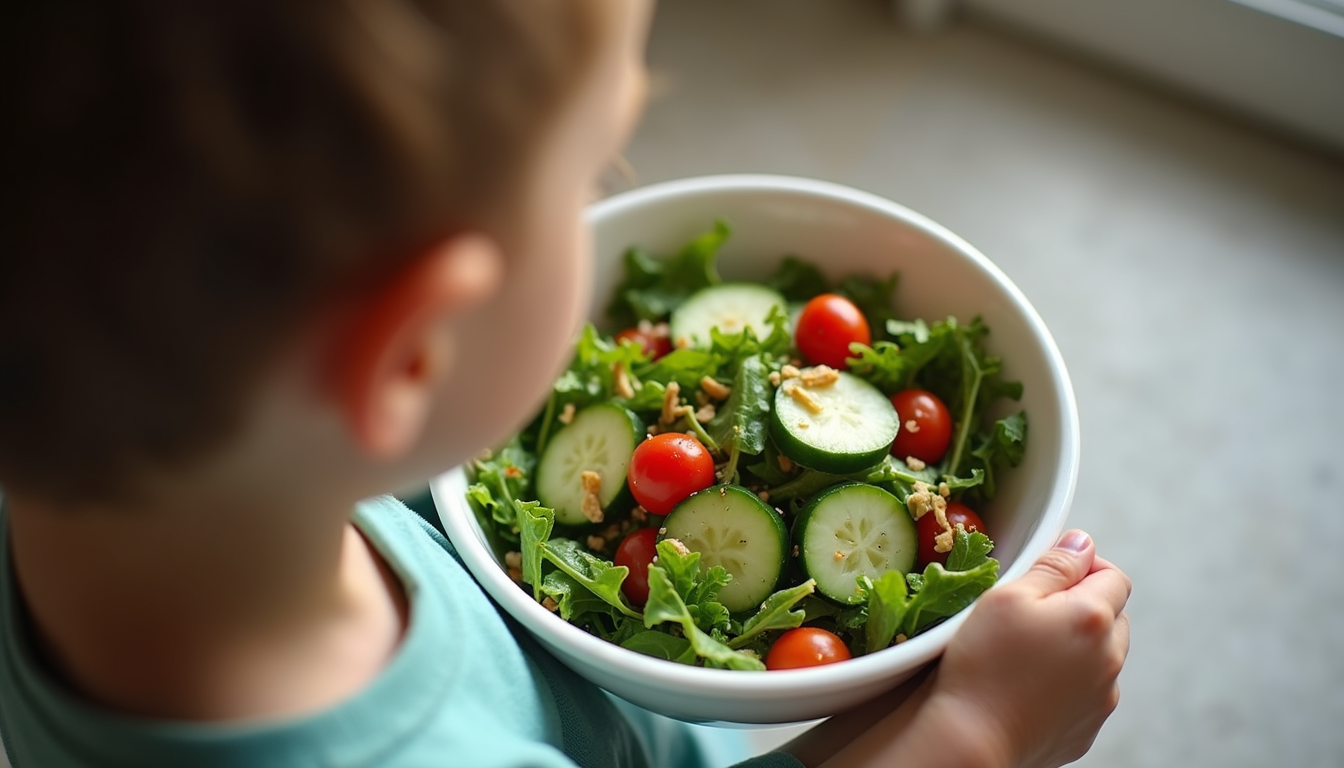
Time-restricted eating means confining all food to a fixed daily window, commonly eight to ten hours, and fasting the rest of the day. Satchin Panda's laboratory at the Salk Institute showed in mice, beginning in 2012, that animals fed a high-fat diet inside a narrow window were protected from the obesity and metabolic damage that free-feeding mice developed. Panda's 2018 book The Circadian Code brought the approach to a general audience.
The human data is more modest. The 2020 TREAT trial, a randomised study of 116 adults published in JAMA Internal Medicine, compared a 16:8 eating window with three structured meals a day over twelve weeks. The time-restricted group lost slightly more weight, but the difference was small and not statistically significant, and the study raised a concern about loss of lean mass. Later trials found larger effects mainly when calories were also cut. The honest summary is that time-restricted eating is a reasonable structure, not a metabolic switch. Anyone with diabetes, a history of disordered eating, or who is pregnant should discuss it with a clinician first.
Habit four: cold plunges and saunas
Deliberate heat and cold are the two biohacks with the widest gap between how confident the influencers sound and how much evidence exists, and the evidence is stronger for heat. On the cold side, the most-cited study is Susanna Søberg's 2021 paper in Cell Reports Medicine, which compared young men who regularly winter-swam and used saunas with matched controls. The swimmers showed differences in brown-fat thermoregulation and cold-induced heat production. It is a small, short study, and there is very little long-term data on cold immersion in the general population. The best-supported effect of cold exposure remains the acute one: a large release of noradrenaline and a lift in alertness and mood that lasts for hours.
Sauna has a much larger observational base. Jari Laukkanen's group at the University of Eastern Finland has followed more than two thousand middle-aged Finnish men for over two decades in the Kuopio Ischaemic Heart Disease Risk Factor Study. Their 2015 paper in JAMA Internal Medicine reported that men using a sauna four to seven times a week had markedly lower cardiovascular and all-cause mortality than once-a-week users. These are associations in a population where sauna is a cultural norm, not trials, but the mechanism is plausible, since repeated heat stress resembles moderate exercise in its cardiovascular load.
Habit five: breathwork and meditation
Structured breathing and meditation are the biohacks that best bridge the physical and the mental, and both have real, if bounded, evidence. The breathwork study everyone cites is the 2014 paper in PNAS by Matthijs Kox and colleagues at Radboud University, which trained twelve healthy volunteers in Wim Hof's breathing-and-cold method, then injected them and twelve untrained controls with bacterial endotoxin. The trained group produced more adrenaline, more of the anti-inflammatory signalling molecule IL-10, less of the pro-inflammatory ones, and reported fewer flu-like symptoms. It showed voluntary influence over the innate immune response, but it was 24 people, one session and one laboratory outcome; it says nothing about disease.
Meditation has a broader literature. The most careful summary is the 2014 meta-analysis by Goyal and colleagues in JAMA Internal Medicine, which found moderate evidence that mindfulness programmes reduce anxiety, depression and pain, and little evidence that they beat other active interventions. The site's [overview of meditation and how it changes the brain](/benefits-of-meditation-and-how-it-changes-the-brain) walks through those studies, and the [consciousness topic hub](/topics/consciousness) covers the wider practice.
Gadgets, glucose monitors and nootropics
Most of what is sold as biohacking is measurement, and measurement is only useful if it changes a decision. Wearable rings and bands estimate sleep stages and heart-rate variability; their sleep staging agrees only moderately with laboratory polysomnography, but their trend data is a fair early-warning signal for overtraining or illness. Continuous glucose monitors, cleared for over-the-counter sale in the United States in 2024, show non-diabetic users how meals move their blood sugar. Whether that improves health in people without diabetes has not been shown.
Nootropics are the thinnest category. The one combination with repeated small-trial support is caffeine with L-theanine, an amino acid found in tea: crossover studies such as Owen and colleagues' 2008 paper in Nutritional Neuroscience found the pair improved attention-switching and reduced the jitteriness of caffeine alone. Beyond that, the evidence for most over-the-counter cognitive enhancers is limited to small, short or industry-funded studies. Readers interested in the mineral preparations that overlap with this space, including ORMUS and colloidal silver, will find their history, chemistry and the state of the evidence covered in the [ORMUS and colloidal silver hub](/topics/ormus-colloidal-silver).
What the longevity stories leave out
Every biohacking community has a founding legend of a people who lived to 120 on simple food and clean air, and the evidence for those legends is weak. The best known is the Hunza valley in northern Pakistan, whose residents were described by British colonial physicians in the 1920s and by mid-century diet writers as living far past a hundred. The site's [post on the Hunza and their reported longevity](/what-are-the-health-secrets-to-the-hunza-people-s-longevity) is one of its most read, and it deserves a caveat: Hunza had no birth registration, the ages were self-reported, and later visitors could not verify the claims. The demographer Saul Newman has shown that extreme-age records generally cluster in places and periods with the poorest record-keeping. The Hunza pattern of a plant-heavy diet and hard daily walking matches what the cohort data supports, but that support comes from the cohorts, not from the legend.
Billy Carson's reading
Billy Carson treats biohacking as one layer of a consciousness-first lifestyle rather than as an end in itself. In his framing, the body is the instrument through which awareness operates, and sleep, movement, food timing and breath are the maintenance that keeps the instrument tuned; the point of optimising them is to have more energy and clarity for the inner work, not to chase a number on a wearable.
Carson has hosted researchers and practitioners working on longevity, neuroscience and performance on the 4biddenknowledge Podcast, where guests present their own data and listeners are encouraged to test what they hear on themselves. The same framing runs through [Awaken Zone](/watch/awaken-zone) on 4BK TV. Where his position goes beyond the evidence in this article, it is on the question of purpose, not the biology: Carson argues that a clear, well-rested body is the precondition for the kind of consciousness the rest of this site is about.
Watch, read and go deeper
For the lifestyle side of this subject, start with Awaken Zone on 4BK TV. For the studies behind the five habits, the site's posts on sleep regularity and on meditation and brain change, linked above, go deeper. Everything the site publishes on sleep, fasting, cold, heat and longevity is collected in the [biohacking topic hub](/topics/biohacking), and the mental side of the practice continues in the [consciousness hub](/topics/consciousness).
Frequently asked questions
What is the best biohack for a complete beginner?
A fixed sleep schedule with morning daylight. It costs nothing, has the strongest observational support of any single change on this list, and improves the results of every other habit, since recovery, appetite and mood all depend on sleep.
Does intermittent fasting work for weight loss?
It works for some people, mostly because a shorter eating window makes it easier to eat less. Trials such as the 2020 TREAT study found little or no advantage over ordinary meals when calories were not controlled, so the window is a tool for consistency rather than a metabolic shortcut. People with diabetes or a history of disordered eating should speak to a clinician first.
Are cold plunges worth it?
For mood and alertness, probably; for long-term health, the data does not exist yet. The 2021 Søberg study of winter swimmers is small and short, and most of what is claimed about cold immersion and metabolism is extrapolated from it. Sauna has a much larger observational base, so a beginner choosing one heat-or-cold habit has more evidence on the hot side.
Do nootropics actually improve focus?
Caffeine does, and caffeine combined with L-theanine has repeated small-trial support for smoother, less jittery attention. Almost every other over-the-counter nootropic rests on studies too small, short or conflicted to draw conclusions from. Sleep and exercise have larger, better-documented effects on cognition than any supplement.
Is biohacking safe?
The five habits here are safe for most healthy adults at ordinary doses, but each has a group who should be careful: cold immersion for people with heart conditions, fasting for people with diabetes or a history of disordered eating, and prolonged sauna use during pregnancy. Start with one change, track it for a few weeks, and add the next only once the first has settled.
Sources and further reading
- Matthew Walker, Why We Sleep (2017)
- Satchin Panda, The Circadian Code (2018)
- Lowe et al., Effects of Time-Restricted Eating on Weight Loss and Other Metabolic Parameters (the TREAT trial), JAMA Internal Medicine, 2020
- Søberg et al., Altered brown fat thermoregulation and enhanced cold-induced thermogenesis in young, healthy, winter-swimming men, Cell Reports Medicine, 2021
- Laukkanen et al., Association Between Sauna Bathing and Fatal Cardiovascular and All-Cause Mortality Events, JAMA Internal Medicine, 2015
- Kox et al., Voluntary activation of the sympathetic nervous system and attenuation of the innate immune response in humans, PNAS, 2014
- Goyal et al., Meditation Programs for Psychological Stress and Well-being, JAMA Internal Medicine, 2014
- Windred et al., Sleep regularity is a stronger predictor of mortality risk than sleep duration, Sleep, 2024
These statements have not been evaluated by the Food and Drug Administration. This content is for information only and is not medical advice.