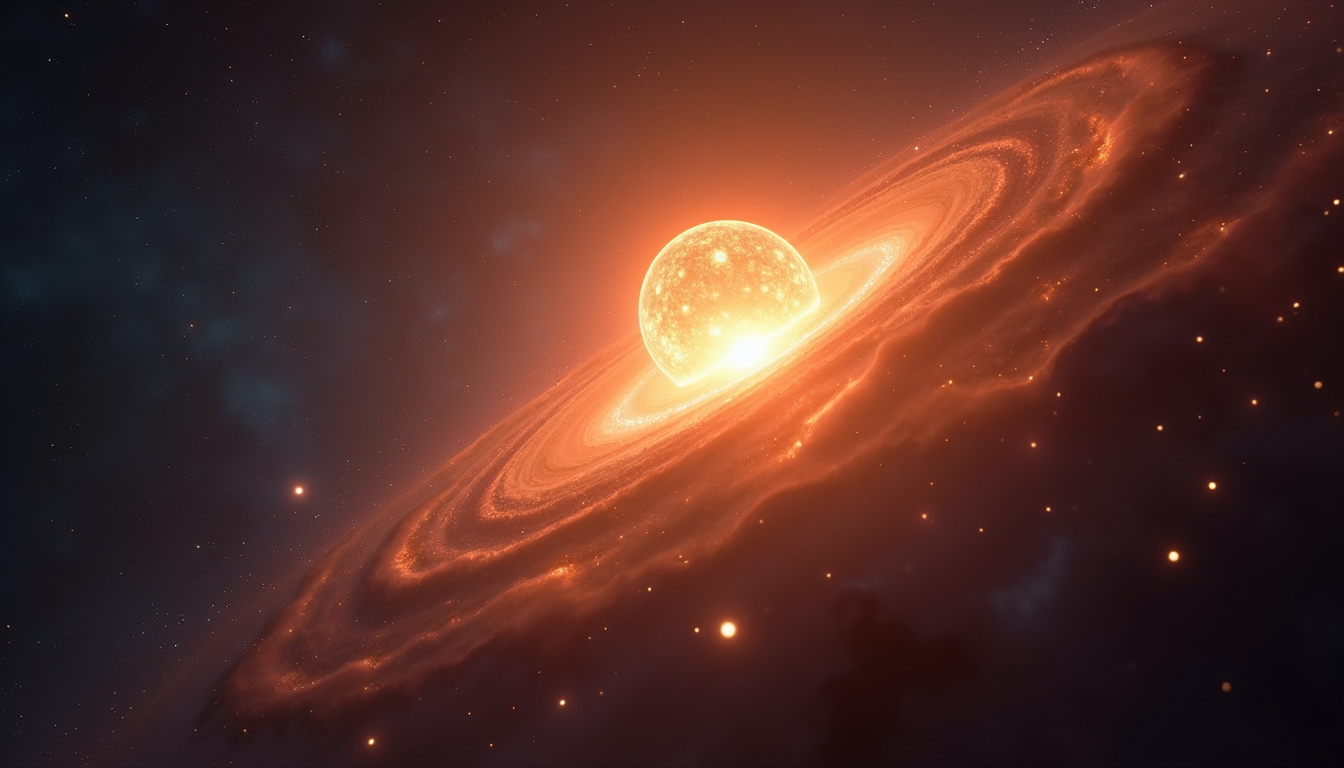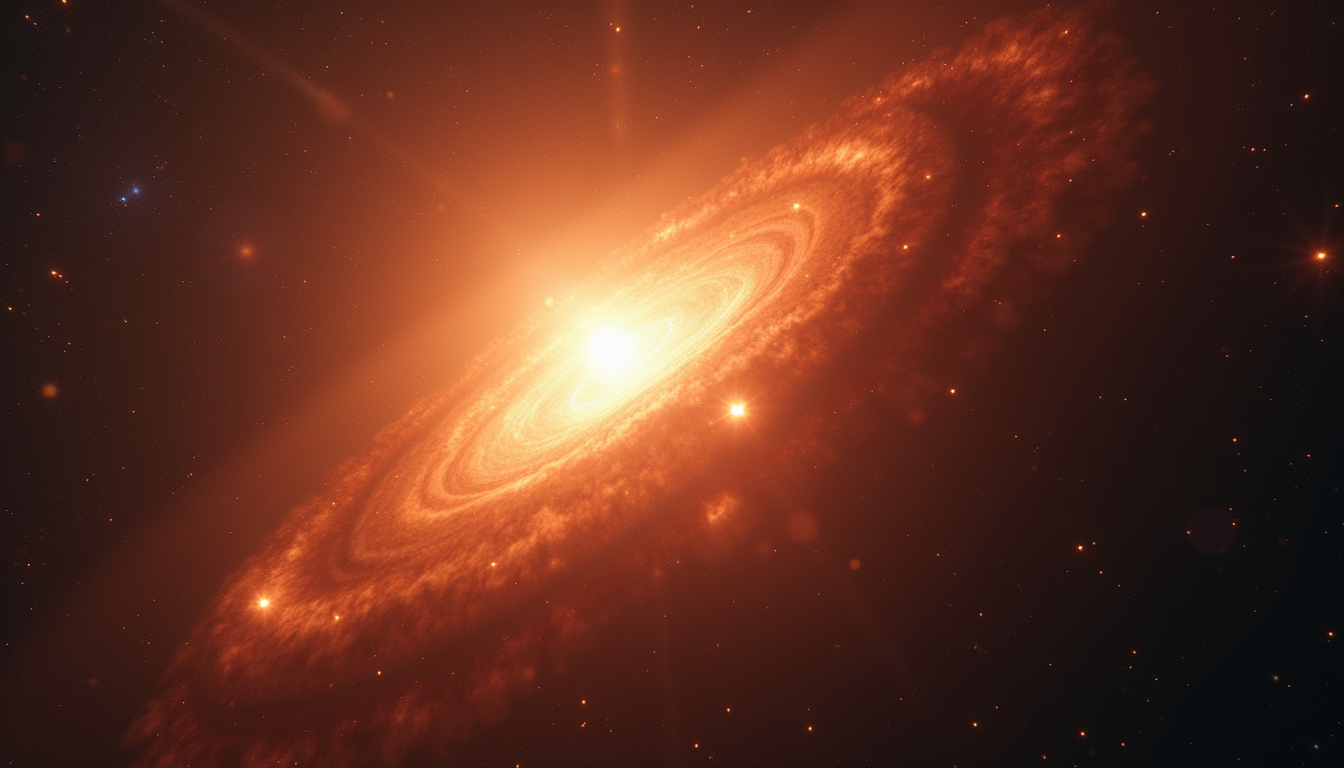
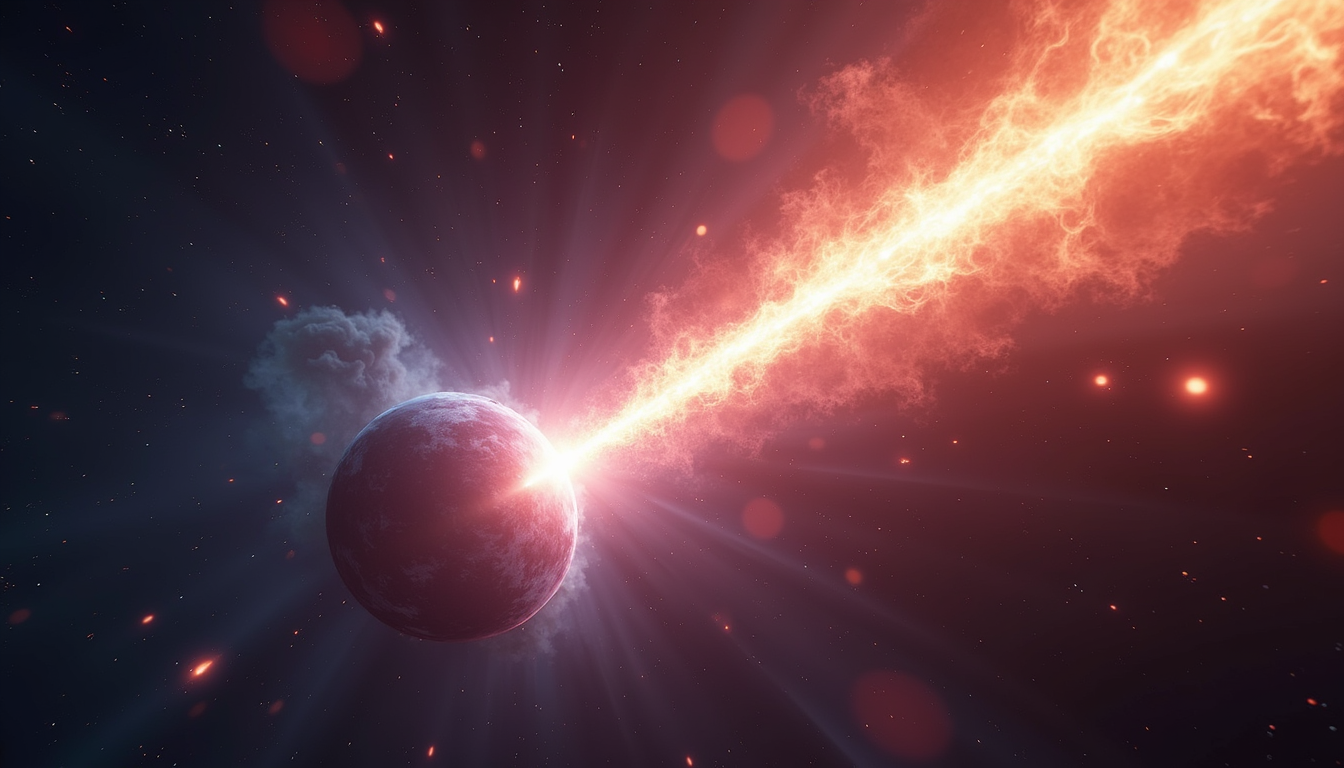
A massive cloud of plasma erupted from a star located 130 light years away, creating a spectacular cosmic event that has captured the attention of astronomers worldwide. This powerful burst of charged particles offers new insights into stellar behavior and the dynamic processes shaping our universe. The images captured reveal details that help scientists understand how stars interact with their surroundings and how such eruptions might affect nearby planets.
What Is a Plasma Eruption from a Star?
Plasma eruptions, also known as stellar flares or coronal mass ejections, occur when a star releases a huge amount of energy and charged particles into space. These eruptions are similar to solar flares on our Sun but can be much larger and more energetic depending on the star’s size and activity level.
The plasma cloud consists mainly of ionized gas, which travels at high speeds and can interact with magnetic fields in space. When these eruptions happen, they can send shockwaves across the star’s system, potentially impacting any orbiting planets.
Why This Plasma Cloud Matters
The star in question lies 130 light years from Earth, which means the light and particles we observe today actually left the star 130 years ago. Despite this distance, the eruption is significant because:
- It is one of the largest plasma clouds observed from a star outside our solar system.
- The event helps scientists study stellar magnetic activity beyond the Sun.
- Understanding these eruptions can improve knowledge about space weather and its effects on exoplanets.
Studying such distant plasma eruptions also provides clues about how stars evolve and how their activity might influence the habitability of planets orbiting them.
How Astronomers Captured the Event
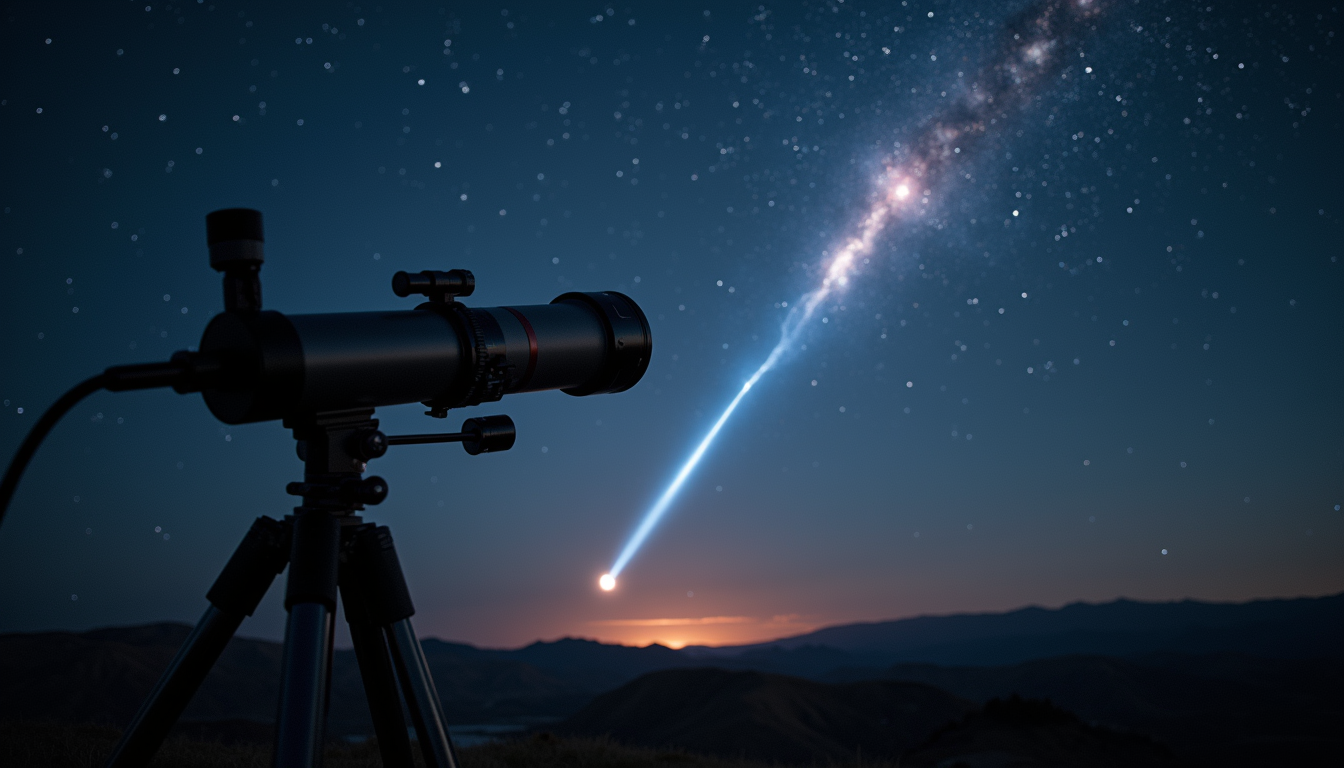
Astronomers used a combination of ground-based telescopes and space observatories equipped with advanced sensors to detect and image the plasma cloud. Instruments sensitive to different wavelengths, such as X-rays and ultraviolet light, revealed the eruption’s structure and energy.
Key methods included:
- Spectroscopy to analyze the composition and velocity of the plasma.
- High-resolution imaging to map the shape and size of the eruption.
- Time-lapse observations to track the plasma cloud’s expansion over days.
These techniques allowed researchers to create detailed visualizations and models of the eruption, showing how the plasma moved away from the star and interacted with its magnetic field.
What This Means for Exoplanet Studies
Stars with frequent plasma eruptions can have a major impact on planets orbiting them. Intense bursts of charged particles can strip away planetary atmospheres or cause extreme radiation conditions on the surface. This affects the potential for life and the stability of planetary environments.
By observing this plasma cloud, scientists can:
- Assess the space weather conditions around distant stars.
- Predict how similar eruptions might affect exoplanets in those systems.
- Improve criteria for identifying habitable planets by factoring in stellar activity.
This event highlights the importance of monitoring stellar behavior when searching for life beyond Earth.
 April Carson
What Jobs Will Disappear in 2025/2026?
Ready to elevate your consciousness and expand your mind?
If you're not already a member of the 4BK TV Channel, it's time to join the journey! Immerse yourself in a captivating collection of workshops by Billy Carson on 4bk.tv, covering everything from Remote Viewing and Ancient History to Anomaly Hunting. Don't miss out on the extraordinary – become a member now and unlock a world of limitless possibilities!"
Start your 3-day FREE trial now!